
Chiang Kai-shek: 15 Frequently Asked Questions
Explore 15 FAQs about Chiang Kai-shek — leader of the Republic of China from 1928 to 1975, generalissimo of the Nationalist Chinese government, and one of the most consequential and contested figures of 20th-century Asia. Trade his reputation on JudgeMarket.
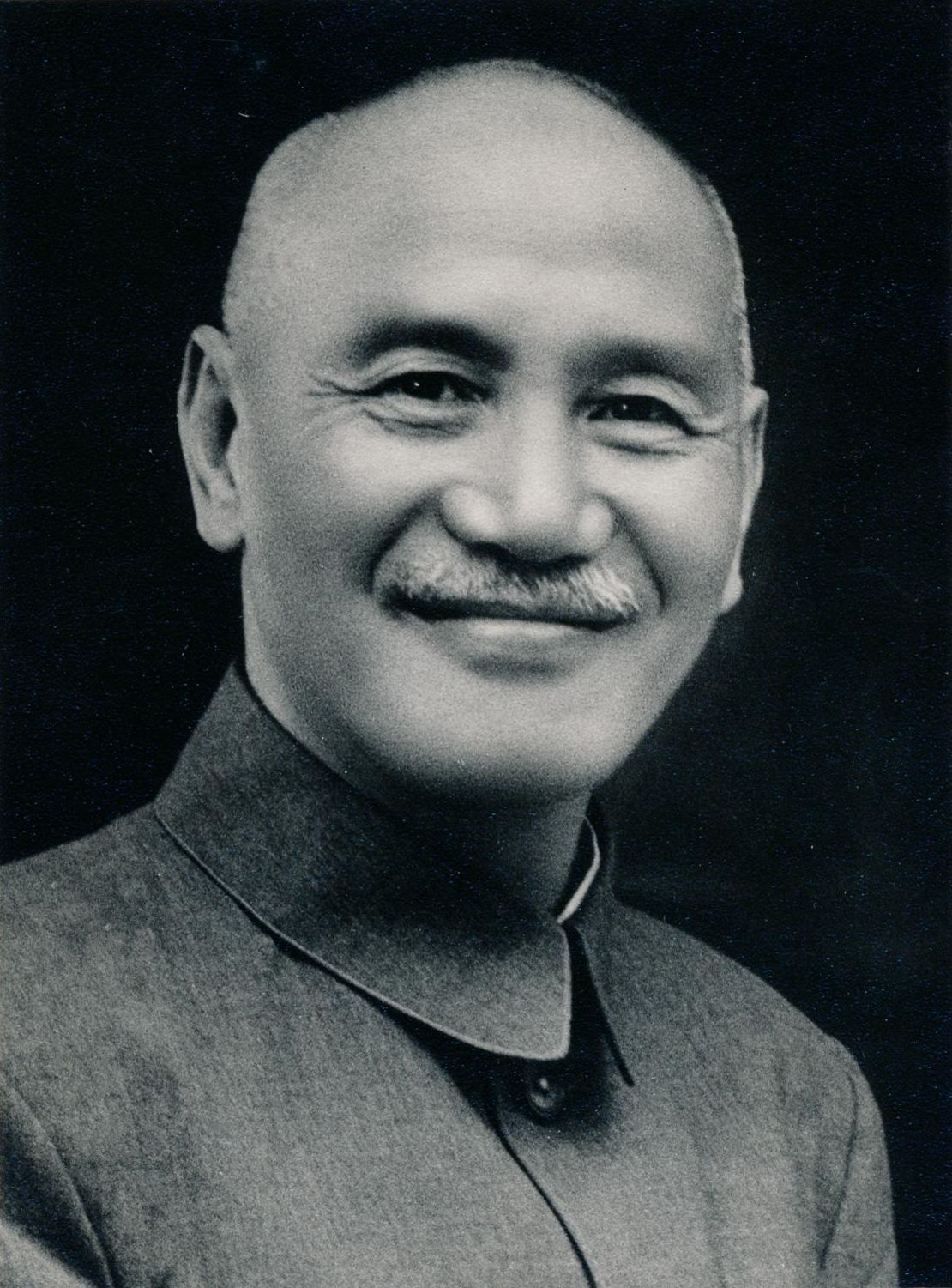
Who is Chiang Kai-shek and why is he famous?
Chiang Kai-shek (1887–1975) was the leader of the Republic of China for nearly five decades — first on the mainland from 1928 to 1949 as Generalissimo of the Nationalist (KMT) government, then on Taiwan from 1949 to his death in 1975. He led China through the Second Sino-Japanese War (1937–1945), the Chinese Civil War against Mao Zedong's Communists, and the relocation of the ROC government to Taiwan following the Communist victory. On Taiwan he ruled through martial law, presided over rapid economic development, and maintained the ROC's UN seat as the recognized China until 1971. His historical reputation is among the most contested in modern Asian history, viewed dramatically differently across mainland China, Taiwan, and the West.
What is Chiang Kai-shek's main political legacy?
Chiang's legacy has multiple inseparable strands. He unified much of China under the Nationalist government through the Northern Expedition (1926–1928), led Chinese resistance against Japanese invasion at enormous human cost, ultimately lost the Civil War to the Communists, and then governed Taiwan as the ROC government-in-exile until his death. On Taiwan, his rule combined harsh authoritarianism — including the February 28 incident of 1947 and the "White Terror" suppression of dissent — with industrial development that laid the foundation for Taiwan's eventual economic transformation. He maintained the legal fiction of ROC sovereignty over all of China, including UN representation until 1971 when the PRC took the seat. His son Chiang Ching-kuo succeeded him and ultimately initiated democratization.