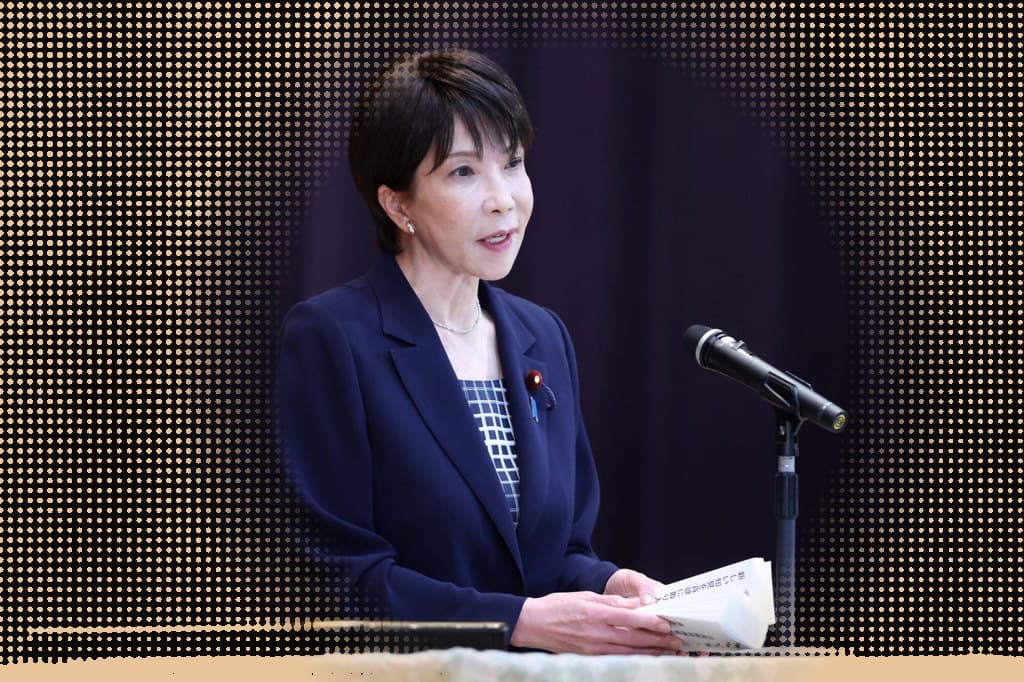
Japanese Prime Minister  Sanae Takaichi defended her government's record budget requests of about ¥143 trillion for fiscal 2027, saying a move away from relying on extra budgets helps ensure budget discipline. The total is well above the roughly ¥122 trillion ministries requested a year earlier. Her government has promised to review and cut back on unnecessary spending programmes and is trying to incorporate more forward-looking investment into the budget, the Japan Times reported.
How large are the requests? The Finance Ministry, in figures carried by the Japan Times, said Friday that ministries sought ¥143.1 trillion ($908 billion) for the fiscal year starting in April. That also exceeded ¥140.6 trillion, the combined size of this year's initial budget and last year's ¥18.3 trillion extra budget, a comparison the ministry cited as the most apt given changes to the budgeting process.
How has Takaichi defended the approach? In a post on X on September 4, Takaichi said good ideas and good policies should be turned into rules that allow truly necessary sums to be requested, but that ministries' requests "cannot all be approved," Taiwan's Central News Agency (CNA) reported. The government is gradually moving away from relying on extra budgets, she said, and folding items once funded that way into the initial budget allows "more time for repeated discussion." The biggest change in her government's overhaul of budget-making, in the Japan Times' account, is an attempt to end Japan's postwar reliance on extra budgets.
Why are markets uneasy? Japan's long-term interest rates had risen to a 30-year high and the United States was pressing Tokyo to shift away from large-scale monetary easing and proactive fiscal policy, CNA reported, citing Jiji Press. After the end-August deadline for requests passed and the roughly ¥143 trillion figure emerged, deepening financial-market concerns, long-term rates climbed into the 3% range. Japan's rate moves are also being watched in US markets, amid concern about possible effects on the US economy.
What has Washington said, and how has Tokyo replied? US Treasury Secretary Scott Bessent, whose September 1 remarks CNA carried, said he had told Japan it should "stop reflation policies, including fiscal expansion." Finance Minister Satsuki Katayama said on September 3 that Bessent had made "no particular request," while government officials said the thrust of his remarks was support for "Takaichinomics." A senior official in the prime minister's office said the government's stance was "responsible proactive fiscal policy" and that, in the end, it comes down to explaining it properly.
Figures referenced: Sanae Takaichi. — JudgeMarket.

