Taiwan's Legislative Yuan on Aug. 25 passed amendments to the Medical Care Act that set prison terms for medical personnel who secretly photograph or film patients' intimate body parts. In the same sitting, lawmakers waived tuition for economically disadvantaged students and approved the first major overhaul of the Ministry of Health and Welfare since its founding, CNA reported.
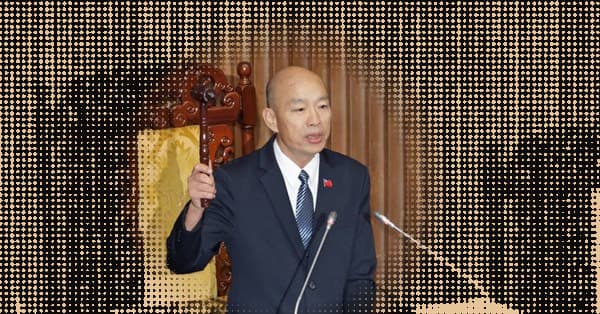
What changes under the medical law? Medical institutions and their staff can be sentenced to up to three years in prison, with a possible fine of up to NT$300,000, for spying on or secretly recording patients' private body parts or non-public medical information, under amendments that CNA reported were sought after pinhole cameras were found in May in a clinic chain's consulting rooms across Taiwan. Providing premises or equipment for profit to facilitate such acts, or intending to distribute, sell or produce the recordings, is punishable by six months to five years in prison, a fine of up to NT$500,000, or both, and attempts can also be punished. Fines for obstructing medical work through violence, coercion or intimidation rise from NT$30,000-50,000 to NT$50,000-250,000. A photograph accompanying the report showed Legislative Speaker  Han Kuo-yu striking the gavel.
Who qualifies for free tuition? Amendments to three education laws waive tuition for economically disadvantaged students at universities and colleges and in the last two years of five-year junior college programs or in two-year programs, with the government weighing whether household income falls in the lowest 20 percent along with other financial checks, CNA reported. Students without Republic of China nationality and household registration are excluded. The Kuomintang caucus had sought full government subsidies for student-loan interest, but the final text only adds computer and internet fees to eligible loan costs and requires the government to offer repayment help, while an attached resolution asks the education ministry to keep studying full interest subsidies for the next school year.
How will the health ministry change? Lawmakers created two agencies under the ministry, one for children, youth and family support and one for social development and long-term care. Child welfare groups that have campaigned since 2018 for a dedicated central agency welcomed the children's agency and urged a matching amendment to the children and youth rights act to protect minors' digital rights, PTS reported. The ministry's National Research Institute of Chinese Medicine will also become an administrative corporation, the National Chinese Medicine Research Institute.
Figures referenced: Han Kuo-yu. — JudgeMarket.

