The US Supreme Court on Monday refused to let  Donald Trump's restrictions on mail ballots take effect for the November midterms, leaving a lower-court block on the plan in place. Justices Samuel Alito and Clarence Thomas publicly dissented from the brief order.
What would the plan have done? Trump signed an executive order in March, saying without evidence that mail voting is vulnerable to fraud. The plan would have required states to adopt a uniform envelope style and submit lists of eligible voters to an online portal, and the Postal Service could then refuse to deliver ballots for states that did not comply. A whistleblower report said millions of mail ballots might never be sent because the portal was not properly built. The ruling came a day after another federal judge, Carl Nichols, ruled against the order, the BBC reported.
What did the justices say? Justice Brett Kavanaugh said in a concurring opinion that the plan might ultimately prove legal, but that "state and local election officials do not have sufficient time to reasonably implement the rule before the elections." Alito said in his dissent that the Postal Service "has broad authority to regulate the mail." Amy Howe, a SCOTUSblog co-founder, told PBS NewsHour the opinions probably leave the door open "at least a crack" for the administration to try again.
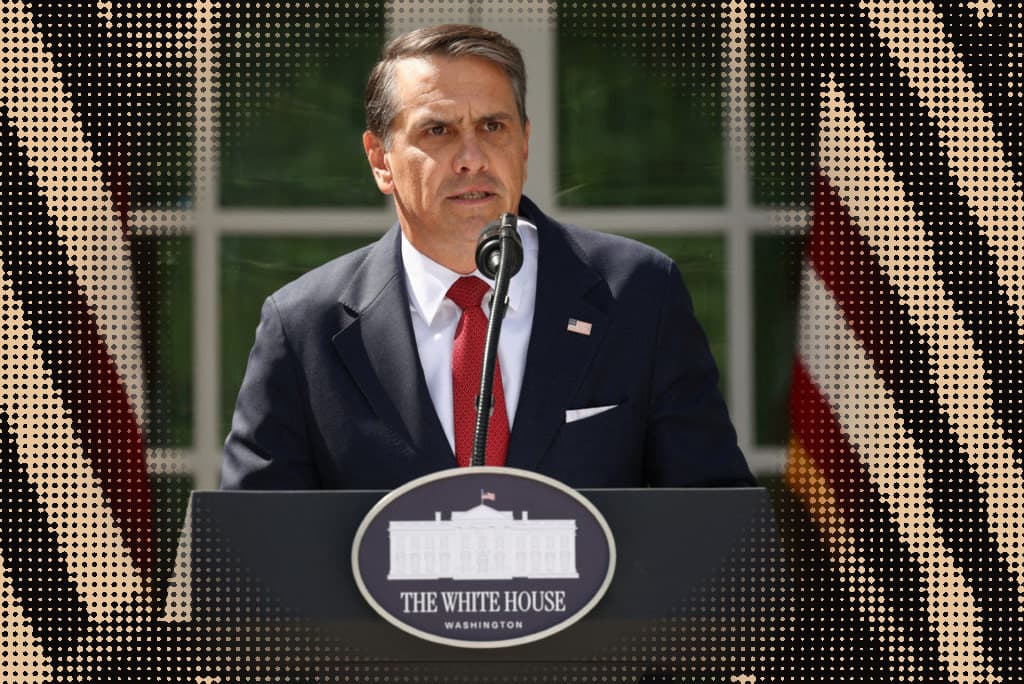
How did the president respond? In a lengthy social media post on Tuesday, Trump said justices who ruled against him "are not the people I interviewed to serve on the United States Supreme Court, they are merely a shell of their original selves." He called Alito and Thomas "legends both," PBS NewsHour reported. Kavanaugh is one of three justices Trump nominated, alongside Neil Gorsuch and Amy Coney Barrett. At a Rose Garden briefing, Attorney General Todd Blanche said the administration would comply with the ruling. "He is very frustrated," Blanche said of the president.
Who welcomed the ruling? California Governor Gavin Newsom, whose state led one of the lawsuits against the restrictions, said "today is a good day for democracy," DW reported. Colorado Secretary of State Jena Griswold, whose state votes almost entirely by mail, called the decision "a major victory for Colorado and American democracy." House Democratic leader Hakeem Jeffries posted on X: "Democracy won. And far-right extremists lost," the Korea Times reported.
Figures referenced: Donald Trump. — JudgeMarket.

