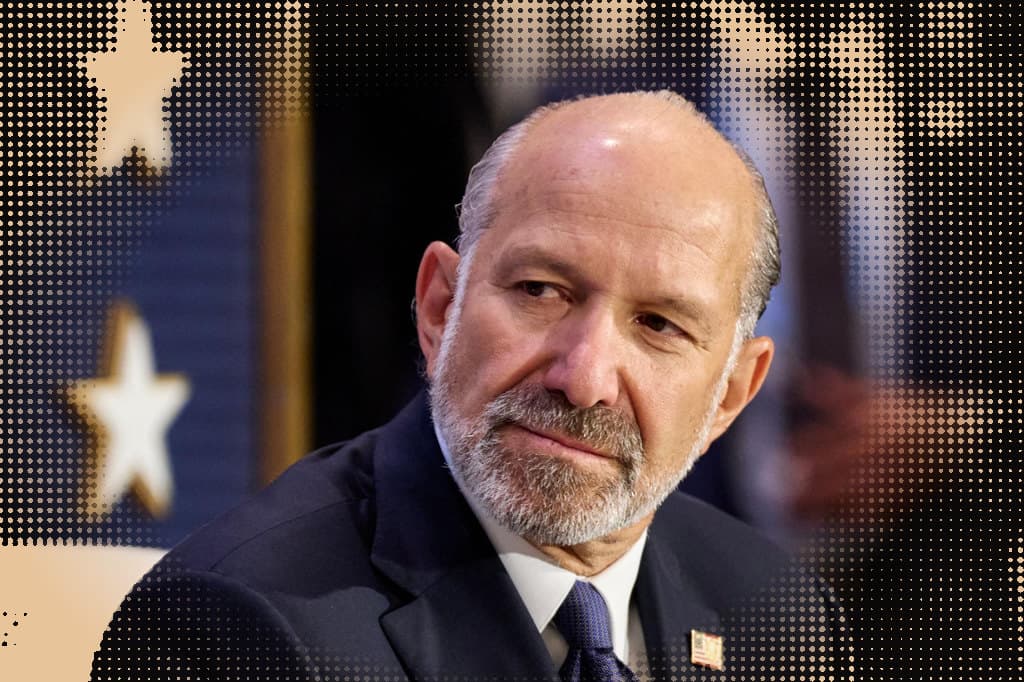
U.S. Commerce Secretary Howard Lutnick said Wednesday that  Donald Trump's administration is crafting a "targeted" and "thoughtful" tariff policy for semiconductors, under which companies producing in the United States would not pay duties. Lutnick made the remarks in a CNBC interview, following a Politico report last week that the administration was weighing new chip tariffs despite warnings from tech companies that the move could doom U.S. hopes of dominating artificial intelligence, Yonhap reported.
What did Lutnick say? He said the policy would be one that "basically says if you build here, you don't pay, but if you don't build here, expect to pay to enter the greatest market in the world." Asked whether Politico was right that he favours a structure tying foreign companies' tariff relief to investment in U.S. chip manufacturing, he replied: "Yeah. It's exactly right." He then repeated the point, calling tariff relief for companies that build in America, and tariffs for those that do not, "a very sensible way of doing things."
What options are under consideration? One approach would dramatically expand the number of tech products subject to the duties, affecting not only chips but potentially many of the goods made with them, such as laptops, gaming consoles or the servers that fill data centres, Yonhap reported, citing the Politico report. The same report described another idea: separate tariff rates and quotas for individual countries, with country-specific guidance covering their major semiconductor manufacturers.
What model is the administration following? Lutnick said the chip policy would take an approach similar to the administration's handling of pharmaceutical imports. "We gave tariff relief to companies who built their innovative pharmaceuticals in America and did MFN (most-favored-nation). So that's what you should look for in semiconductors," he said.
Why is it being watched in South Korea? South Korean chipmakers Samsung Electronics and SK hynix have been closely watching the Trump administration's tariff policy, as it could affect their business activities in the United States, the Korea Times reported. The administration has been doubling down on tariffs to boost domestic manufacturing, reduce the U.S. trade deficit, and increase federal revenue and foreign investment.
Figures referenced: Donald Trump. — JudgeMarket.

