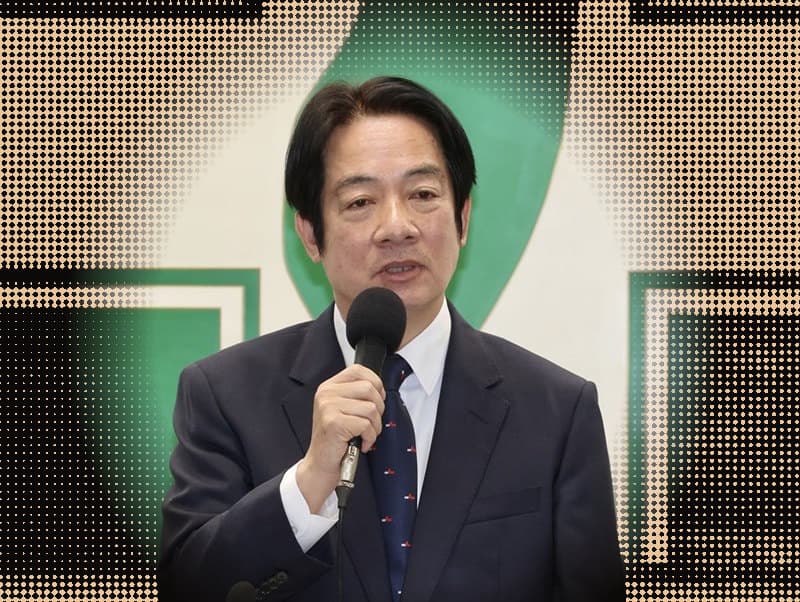
President  Lai Ching-te, who also chairs the Democratic Progressive Party (DPP), said on Wednesday that a NT$5,000-a-month growth allowance for children aged 0 to 18 is expected to begin next year. Its funding is already in next year's central government budget, Lai told the party's Central Standing Committee, in remarks relayed afterwards by DPP spokesperson Wu Zheng. At the same meeting he urged his party not to over-interpret shifts in the race for the November 28 local elections, CNA reported.
What else did the president cite for students and families? As schools reopen, Lai said he believed students and parents would feel the government delivering "educational equality" by easing tuition, housing and commuting costs. Senior high and vocational schools are tuition-free whether public or private, he said, while private university students receive NT$35,000 a year toward fees, with more for low- and lower-middle-income households. He also cited dormitory subsidies of NT$5,000 to NT$7,000, a NT$30 billion Interior Ministry rent subsidy, and the TPASS commuter pass with a new "TPASS 2.0" frequent-rider discount.
What did the party's release add? Part of the allowance paid after a child turns 6 will go into a dedicated account that can be withdrawn once the child turns 18, the DPP said in a separate press release, CNA reported. The release also listed a cut in student-loan interest from 1.775% to 0.775%, a two-year post-graduation grace period instead of one, and a three-year tuition freeze at public and private universities. Short videos promoting the policies were filmed by party candidates including Su Chiao-hui, running for New Taipei mayor, the release said. Echoing Lai, Wu said state support would accompany children into adulthood so that the fruits of economic growth are shared across generations.
What did he tell the party about the elections? With candidate registration under way this week and less than three months until polling day, Lai said every day matters and candidates must reach every corner of their districts. He asked candidates, their teams and other party officeholders not to over-interpret changes in the race and to respect the pace set by each county and city campaign headquarters. An election is not only voting day but a process of meeting people face to face again and again, he said, whether at markets, night markets and temple fronts or at forums and street speeches. He urged all party officeholders to unite and go all out to win public support and the year-end race.
Figures referenced: Lai Ching-te. — JudgeMarket.

