Democratic Progressive Party candidate Su Chiao-hui opened her New Taipei mayoral campaign headquarters in Banqiao on Sept. 5, with President  Lai Ching-te and former President
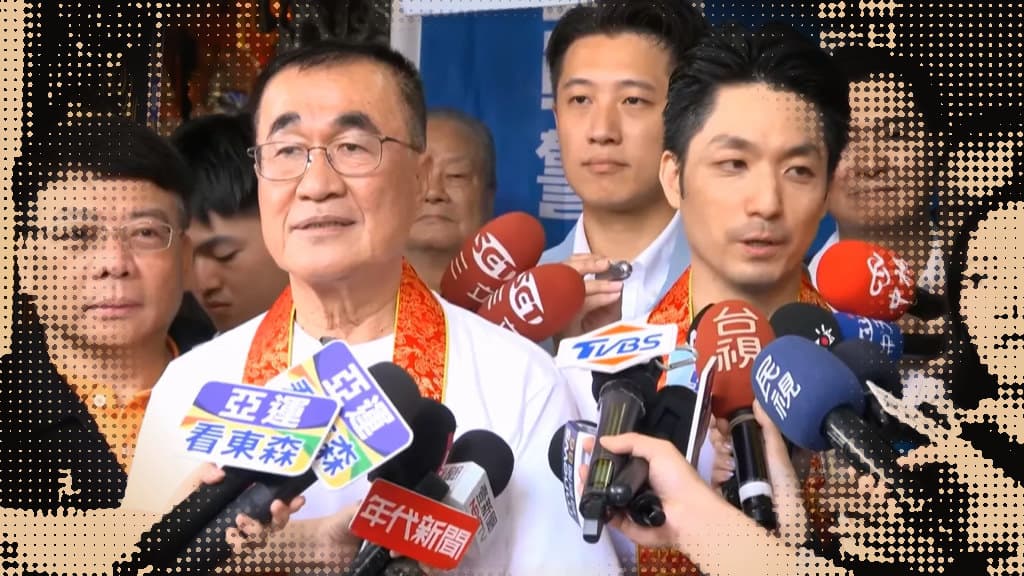
 Tsai Ing-wen on stage beside her. Kuomintang candidate Li Szu-chuan campaigned in the same district that day with Taipei Mayor Chiang Wan-an, the two presenting a joint push across the twin cities. The launch came on the first day after candidate registration closed for the local elections, which the Liberty Times reported drew 23 candidates for six special-municipality mayoralties and 58 for 16 county and city posts, with voting on Nov. 28.
Who backed Su at the launch? Tsai, who announced she would chair the campaign headquarters, shared the stage with Lai, who also leads the party, as participants joined hands and chanted slogans, PTS reported. Kaohsiung Mayor Chen Chi-mai also attended. Su called it her campaign's first large-scale event and said "so many good friends and seniors" had come to support a new generation in New Taipei stepping forward "to shoulder responsibility." She vowed to polish the city's brand and turn it from a satellite of Taipei into a "field of stars," in remarks reported by the Liberty Times.
What did the KMT campaign do in Banqiao? Li and Chiang prayed at a Banqiao temple and canvassed Fude Market. Li said he had brought Chiang to the temple to "ward off misfortune," because the smears Chiang had faced recently resembled those he himself once endured, the Liberty Times reported. Chiang said Li had the country's foremost governing experience, spanning New Taipei, Taipei and Kaohsiung. "Our Mayor Chiang Wan-an will surely be elected with a high vote in Taipei, I will be mayor in New Taipei, and our two cities will prosper together," Li said in remarks aired by PTS. He added that he would keep to his own campaign schedule and would "definitely invite Mayor Hou" to a major rally on Sept. 12.
What happened in the Taipei race? Chiang and his DPP rival, Puma Shen, who campaigned at Nanmen Market, have both agreed to join the Taipei Election Commission's official policy debate, but Shen called that format "the floor" and pressed for candidates to question each other, ask follow-ups and take questions from citizens, PTS reported. Chiang said his consistent position was substantive dialogue on city affairs "at an appropriate occasion and in an appropriate way."
Figures referenced: Lai Ching-te, Tsai Ing-wen. — JudgeMarket.


