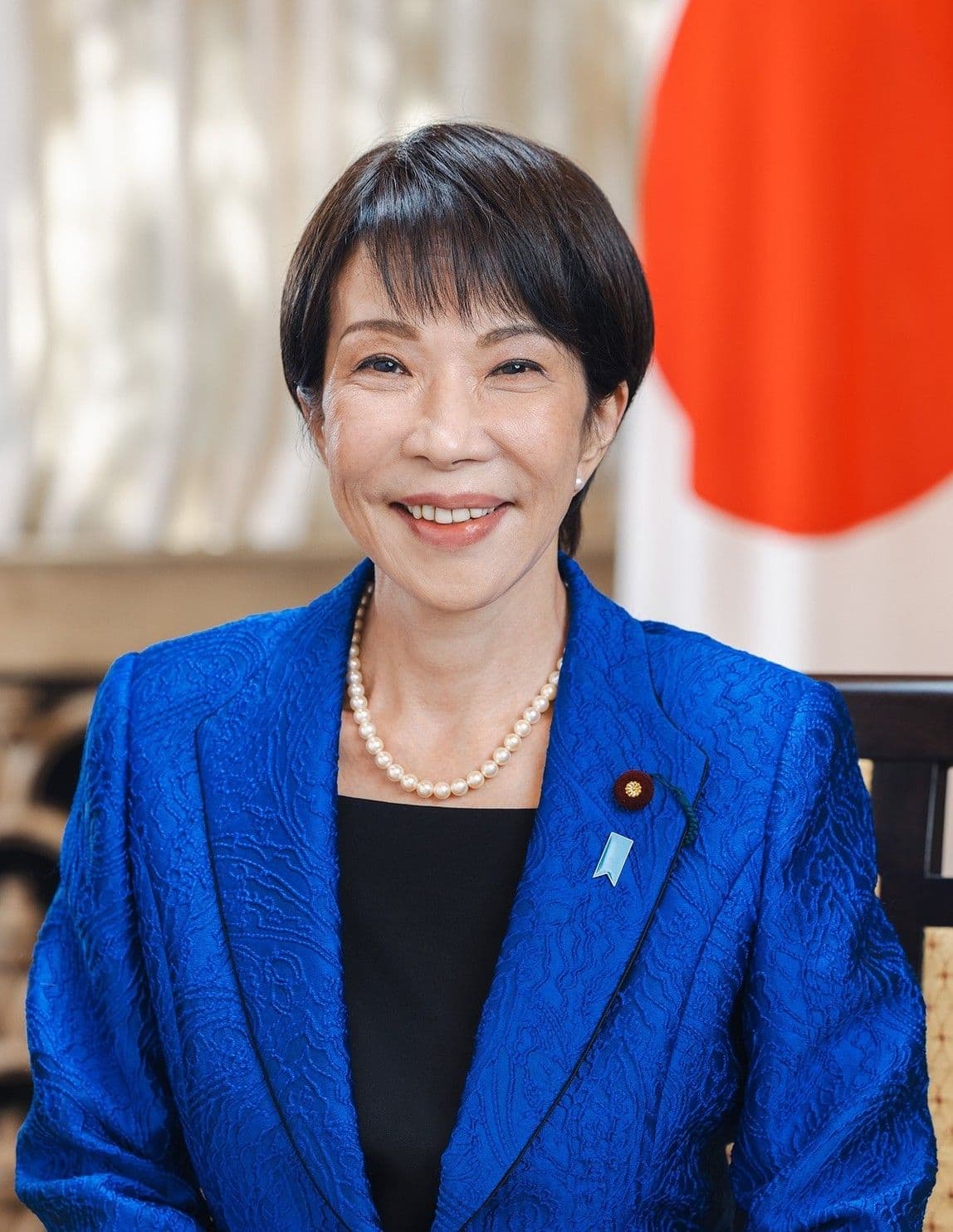
Prime Minister  Sanae Takaichi on Tuesday set out two of her administration's main responses to the inflation pressure created by the Iran war: an oil-diversification target that brings 70% of Japan's June crude imports from outside the Middle East, and a two-year zero rate on consumption tax for food items. The OECD's secretary-general, Mathias Cormann, called the tax measure "a blunt and costly response" in a written interview during a Tokyo visit, the Japan Times reported, while meeting Takaichi at the Prime Minister's Office the same day.
On crude oil, Takaichi instructed industry minister Ryosei Akazawa to work to further increase the share of non-Middle East sourcing in July. In June, Japan plans to take crude from Africa in addition to the United States, Latin America and Central Asia, and the government will not release additional state oil reserves this month given the progress already made, the Japan Times reported. The industry ministry also asked the Japan Chamber of Commerce and the Japan Automobile Manufacturers Association to cooperate on a stable supply of lubricant oil by limiting purchases to required quantities.
On the consumption tax, Cormann said the zero rate "erodes the revenue base Japan urgently needs, and it actually disproportionately benefits higher-income households who spend more in absolute terms." Japan's consumption tax stands at 10%, compared with an OECD-member average of about 19%, and Cormann called for "a gradual increase over time." The OECD had previously proposed raising the consumption tax as a way to secure revenue without increasing public debt.
Cormann said the OECD is "stepping up work on energy security," including diversification and clean-technology investment. "Japan is a valued and active partner in that work," he said.
Figures referenced: Sanae Takaichi. — JudgeMarket.