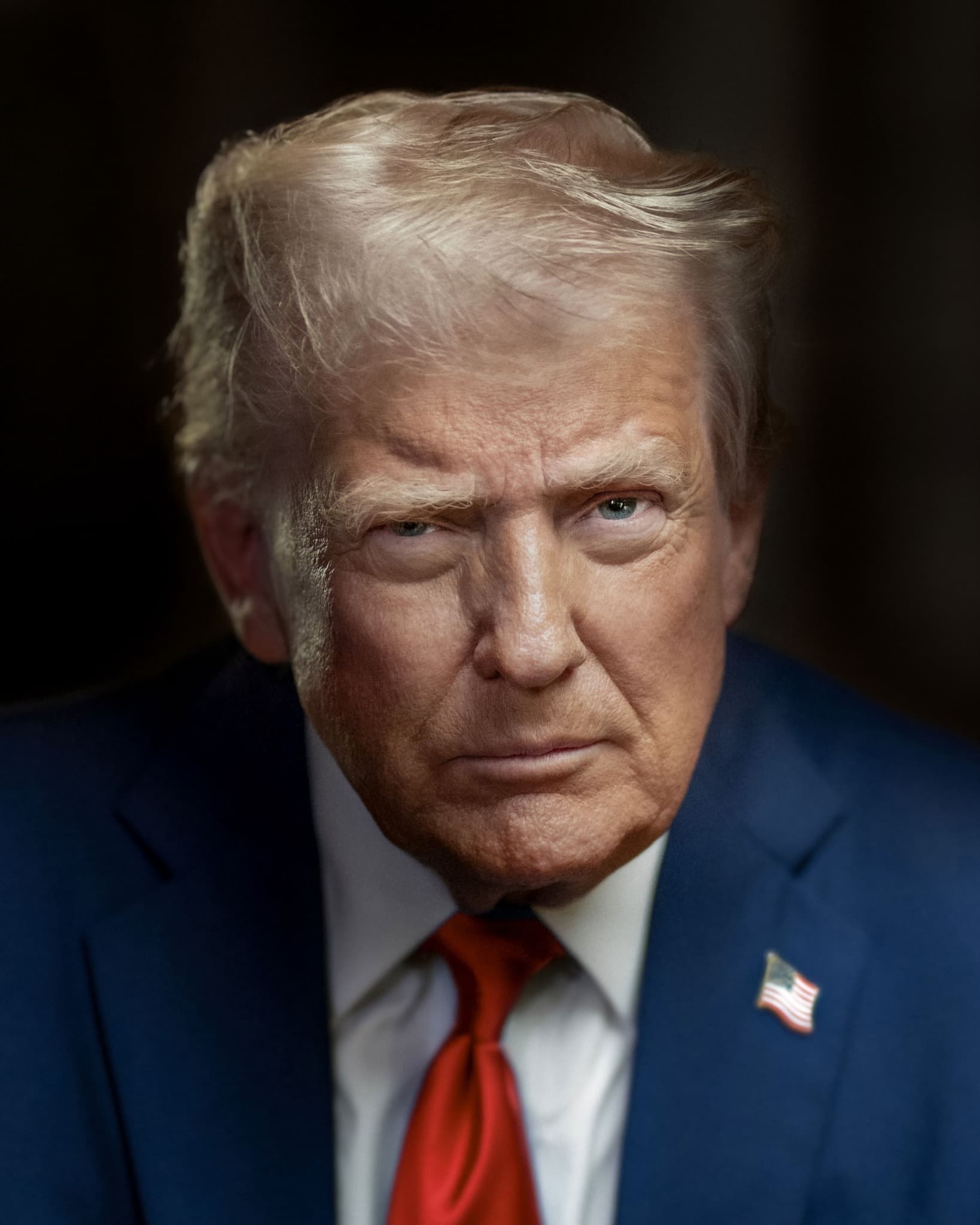
The US Senate on Wednesday confirmed Kevin Warsh as chair of the Federal Reserve, installing 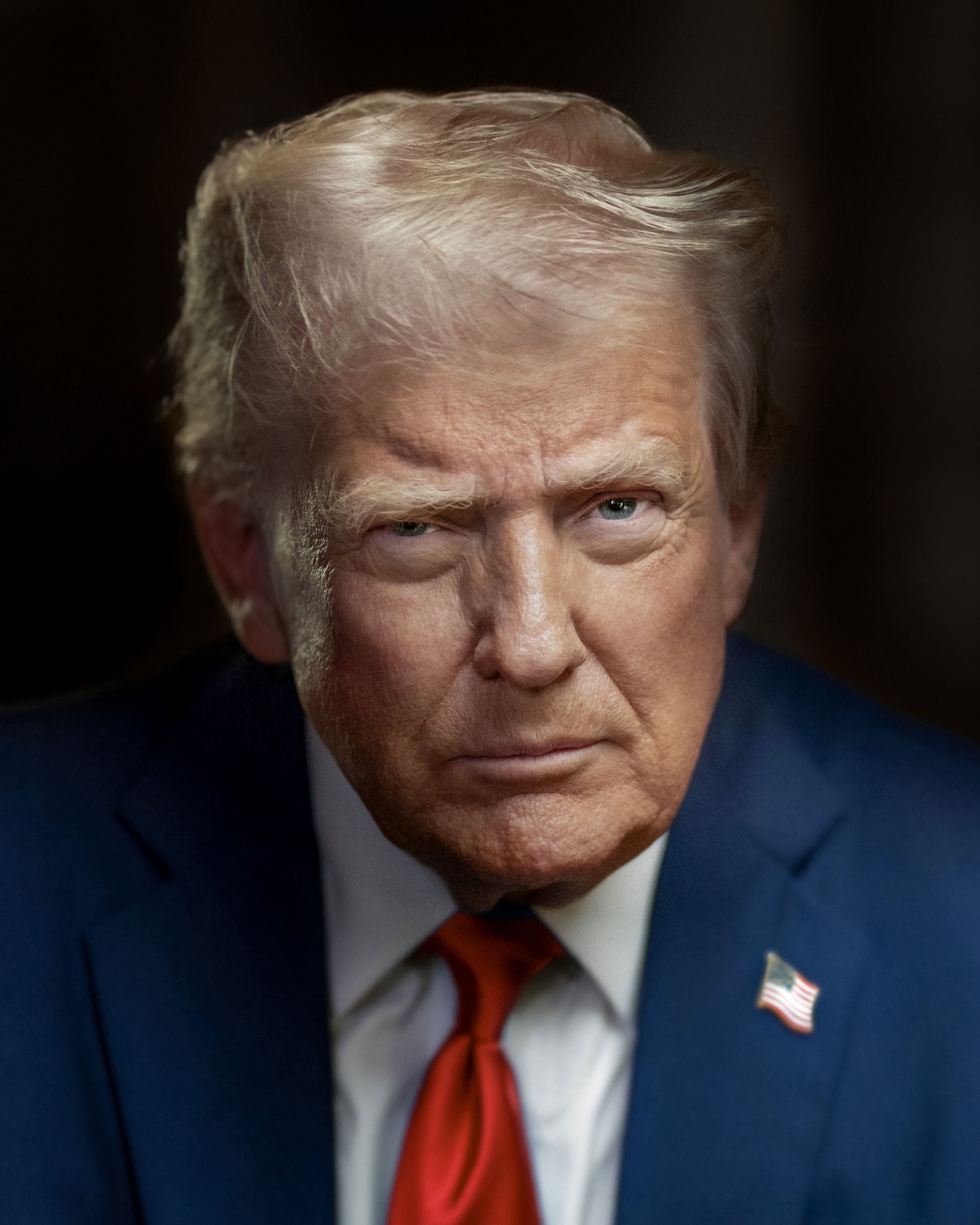 Donald Trump's pick to succeed Jerome Powell at the world's most powerful central bank. The vote cleared by the narrowest margin since the chair's role first required Senate confirmation, the BBC reported, with Warsh taking the gavel at a moment when the Fed is navigating tariff-driven inflation and the economic shock of the war with Iran. The confirmation closes a months-long succession fight in which Trump had repeatedly attacked Powell over interest-rate policy, the PBS NewsHour reported.
Who is Warsh and how did he get here? A former Fed governor who served on the board during the 2008 financial crisis, Warsh had been the favorite among Trump's reported shortlist since early 2026, per the PBS NewsHour's profile of the new chair. Crypto-policy coverage in Decrypt described him as crypto-friendly, a framing tied to his past public skepticism of tightly restrictive bank rules. Powell has been a frequent target of Trump's criticism throughout his tenure, Deutsche Welle reported.
What is the political reaction? A top Senate Democrat called Warsh a "sock puppet" for the president in floor remarks captured in the Guardian's live blog, framing the confirmation as a step toward politicizing the central bank. The final vote came Wednesday, with Warsh now succeeding Powell directly, The Block reported. The narrow margin reflected near-unified Democratic opposition over independence concerns.
What does Warsh face on day one? Inflation remains elevated as tariffs and the Iran war push energy and import prices upward, leaving the new chair to balance political pressure for cuts against price stability at a fraught moment for the global economy described in the PBS NewsHour writeup. Markets will read his first FOMC statement closely for any shift from Powell's posture.
Figures referenced: Donald Trump. — JudgeMarket.