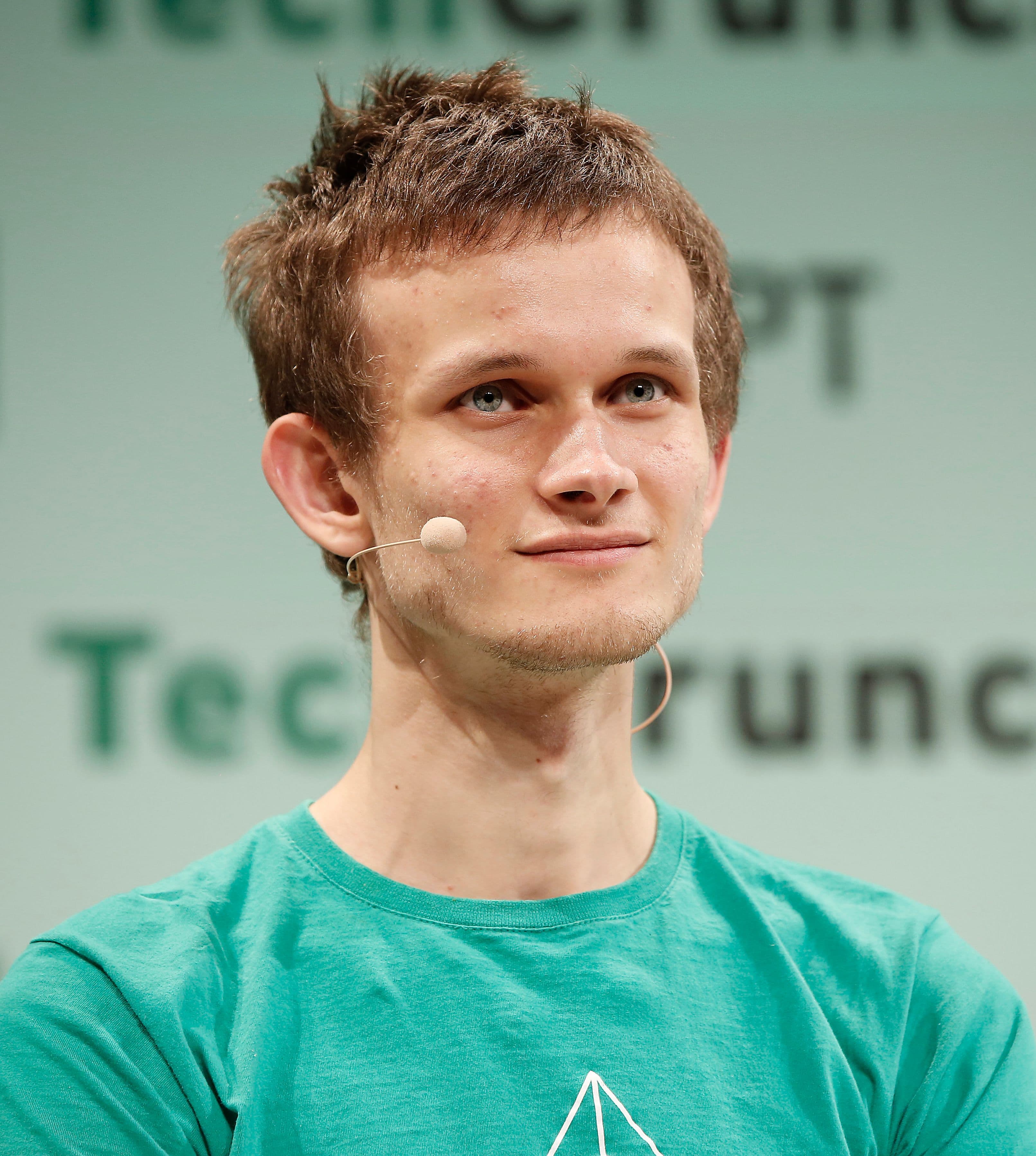
 Vitalik Buterin said AI-assisted "formal verification" could make crypto networks substantially more secure, framing the technique as a way to mathematically prove that the specific code a user runs behaves as intended. The Ethereum co-founder set out the case in a blog post published Monday, CoinDesk reported, calling for the approach to be used to harden blockchain networks, smart contracts and cryptographic systems against flaws that can expose users to irreversible financial losses.
What did Buterin propose? "If done right, this has potential to both output extremely efficient code, and be far more secure than the way programming has been done before," Buterin wrote, citing a developer who calls the method the "final form of software development." Formal verification mathematically tests whether software behaves correctly, an idea dating to foundational work in the 1950s and 1960s that recent AI advances are making more practical for engineering and security research, Decrypt reported.
Why now? The post lands as researchers and governments warn that advanced AI models are improving at finding and exploiting software vulnerabilities, Decrypt reported, and as crypto bugs continue to be drained at scale — attackers tied to the North Korea-backed Lazarus Group siphoned $292m from one project in April. Buterin wrote that verifying code end-to-end means proving "not just that some description of the protocol is secure in theory, but that the specific piece of code that the user runs is secure in practice."
Buterin cautioned the method "is not a panacea" and is best suited to cases where the goal is simpler than the implementation, pointing to quantum-resistant signatures and consensus algorithms as targets, Decrypt reported. He rejected the idea that stronger attacks will eventually make open-source systems impossible to secure, saying the "entire cypherpunk ethos" rests on the defender holding an advantage.
Figures referenced: Vitalik Buterin. — JudgeMarket.