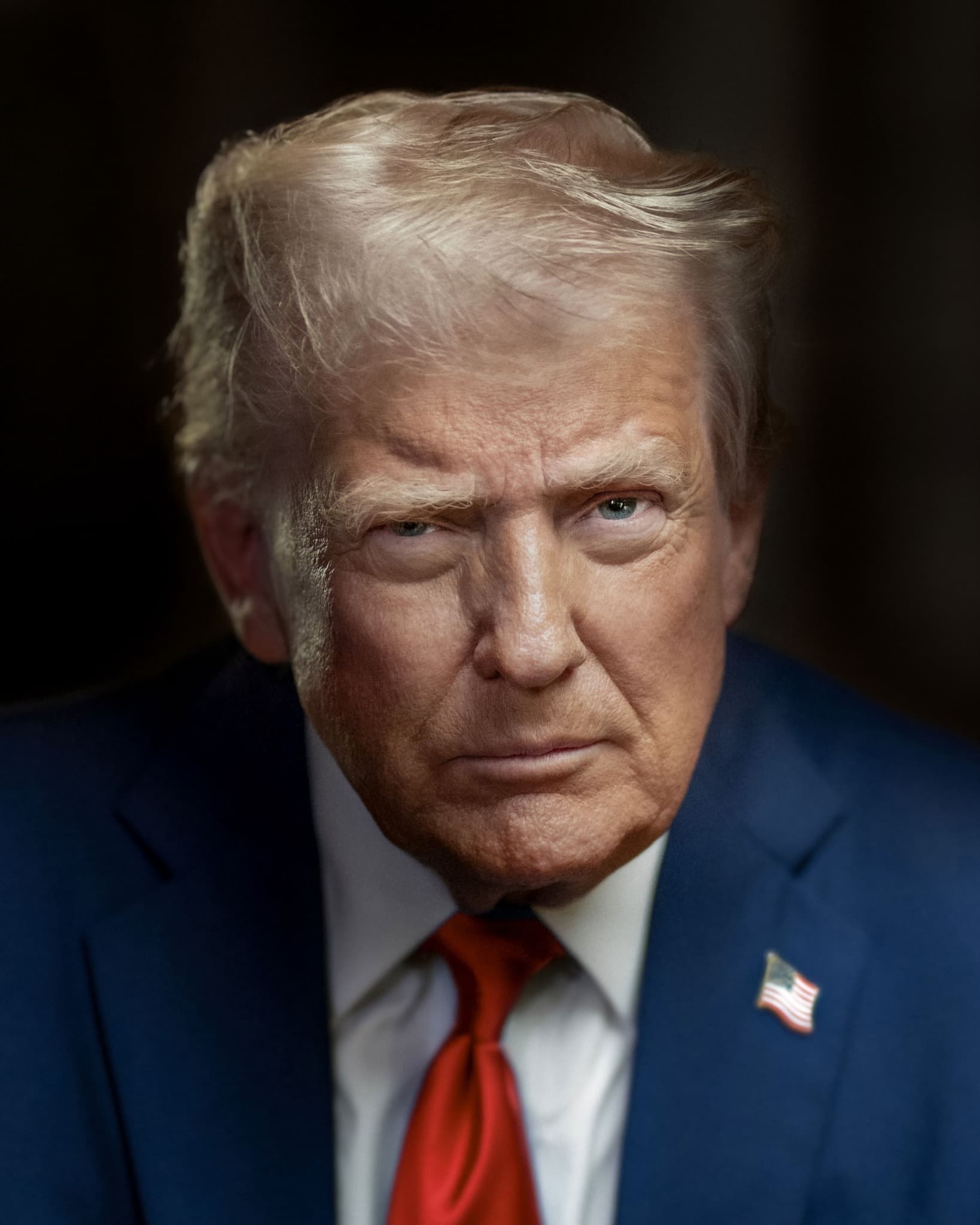
President 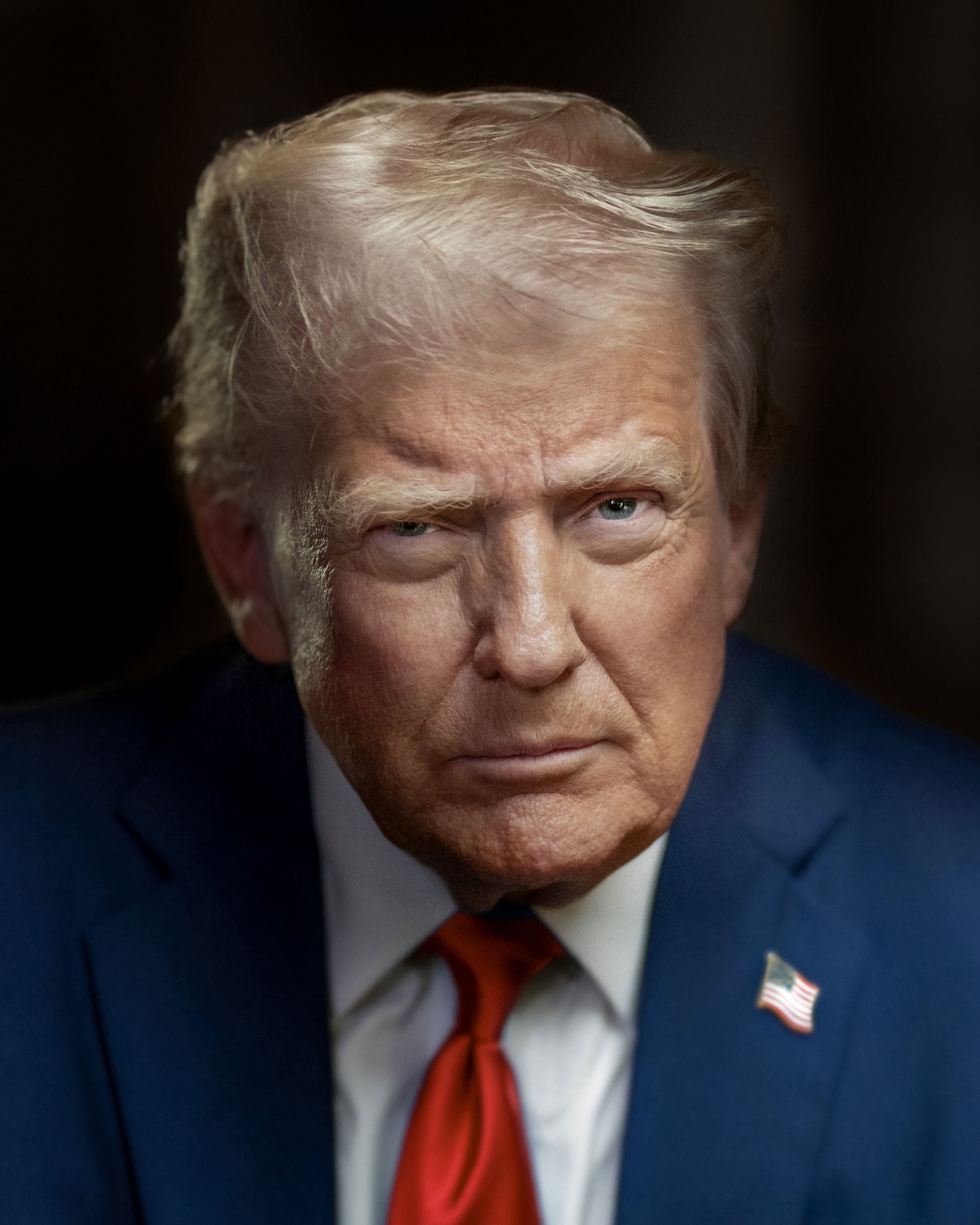 Trump said Monday the month-long ceasefire with Iran was on "massive life support" after rejecting a 14-point counter-offer Tehran sent over the weekend, calling the proposal a "piece of garbage" and "totally unacceptable." Speaking to reporters in the Oval Office, he likened the truce to a patient with a "1 percent chance of living," the BBC reported, and said he was weighing a restart of US naval escorts in the Strait of Hormuz, the Guardian reported.
What was Iran's offer? Tehran's counter-proposal called for an immediate end to the war on all fronts, a halt to the US naval blockade of Iranian ports, guarantees against further attacks, and compensation for war damage, the BBC reported, citing Iran's Tasnim news agency. It also asserted Iranian sovereignty over the Strait of Hormuz. Iranian foreign ministry spokesperson Esmail Baghaei said the proposals were "responsible" and "generous."
Why did Washington reject it? Trump said the response omitted nuclear concessions and accused Tehran of going back on an agreement to allow the US to remove enriched uranium, PBS reported. A source close to Iran's negotiating team told Tasnim there was "no such thing in Iran's proposal as accepting taking out enriched nuclear material," the BBC reported.
Where do third parties fit? Pakistan rejected allegations of aiding Iran militarily and is working to salvage the US-Iran diplomatic track, Al Jazeera reported. Iranian parliamentary speaker Mohammad Ghalibaf wrote on X that Iran's armed forces were "ready to respond and to teach a lesson for any aggression," the BBC reported, while separately writing that "there is no alternative but to accept the rights of the Iranian people as laid out in the 14-point proposal."
Figures referenced: Donald Trump. — JudgeMarket.