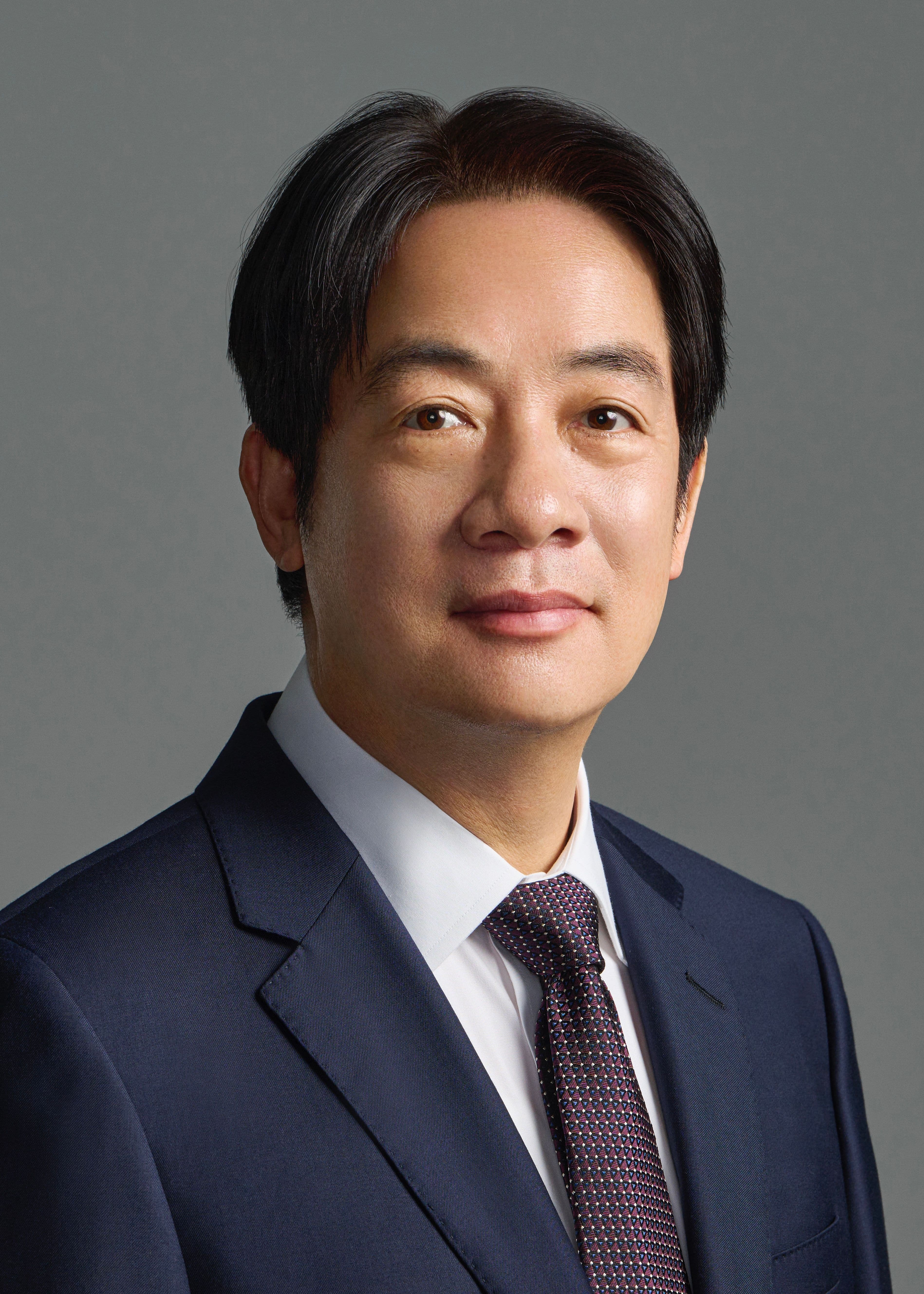
 Lai Ching-te said the true meaning of "Taiwan independence" is that "Taiwan is not part of the PRC" and that the Republic of China and the People's Republic of China "are not subordinate to each other," arguing that defending the ROC's status does not amount to pursuing independence. His remarks followed
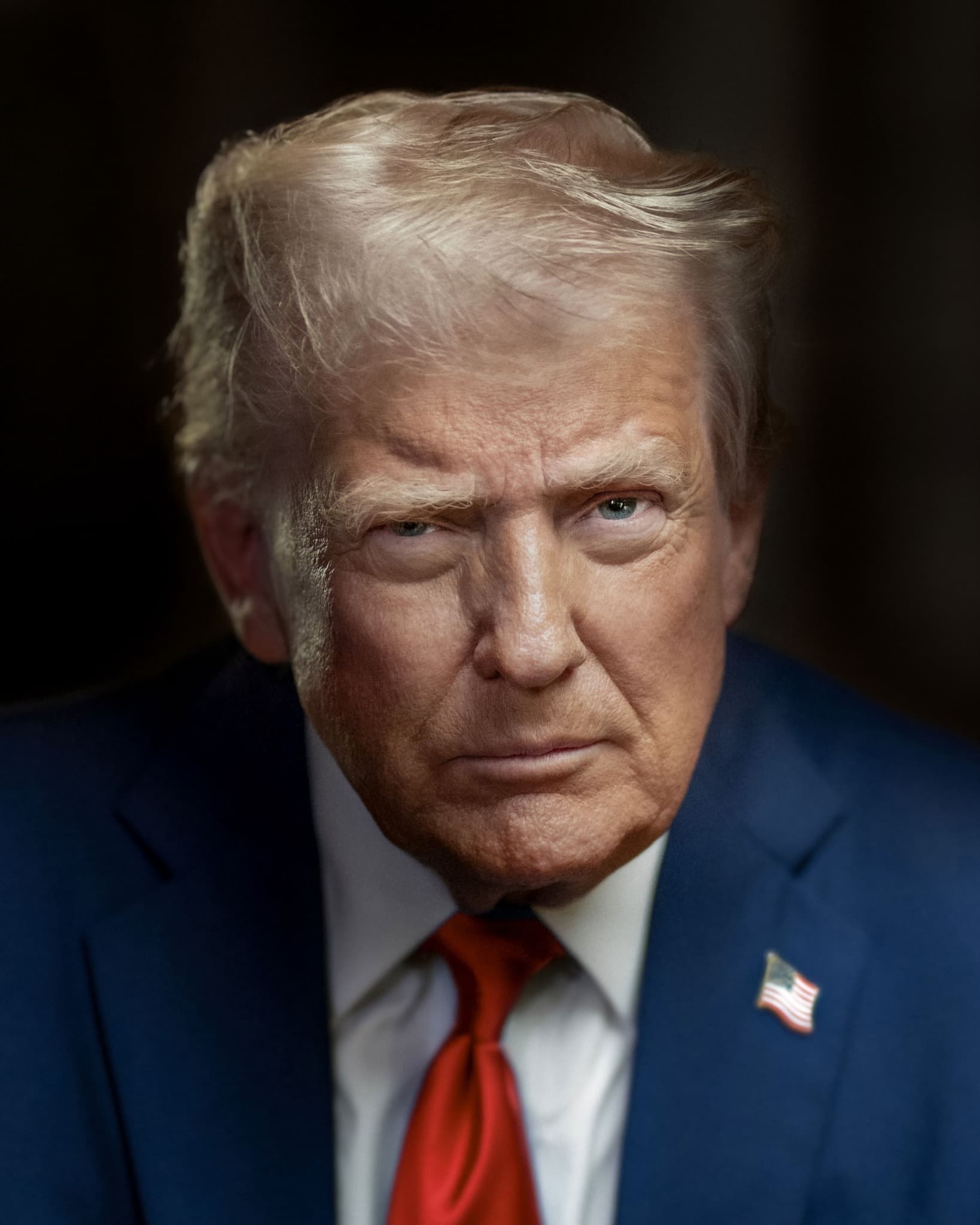
 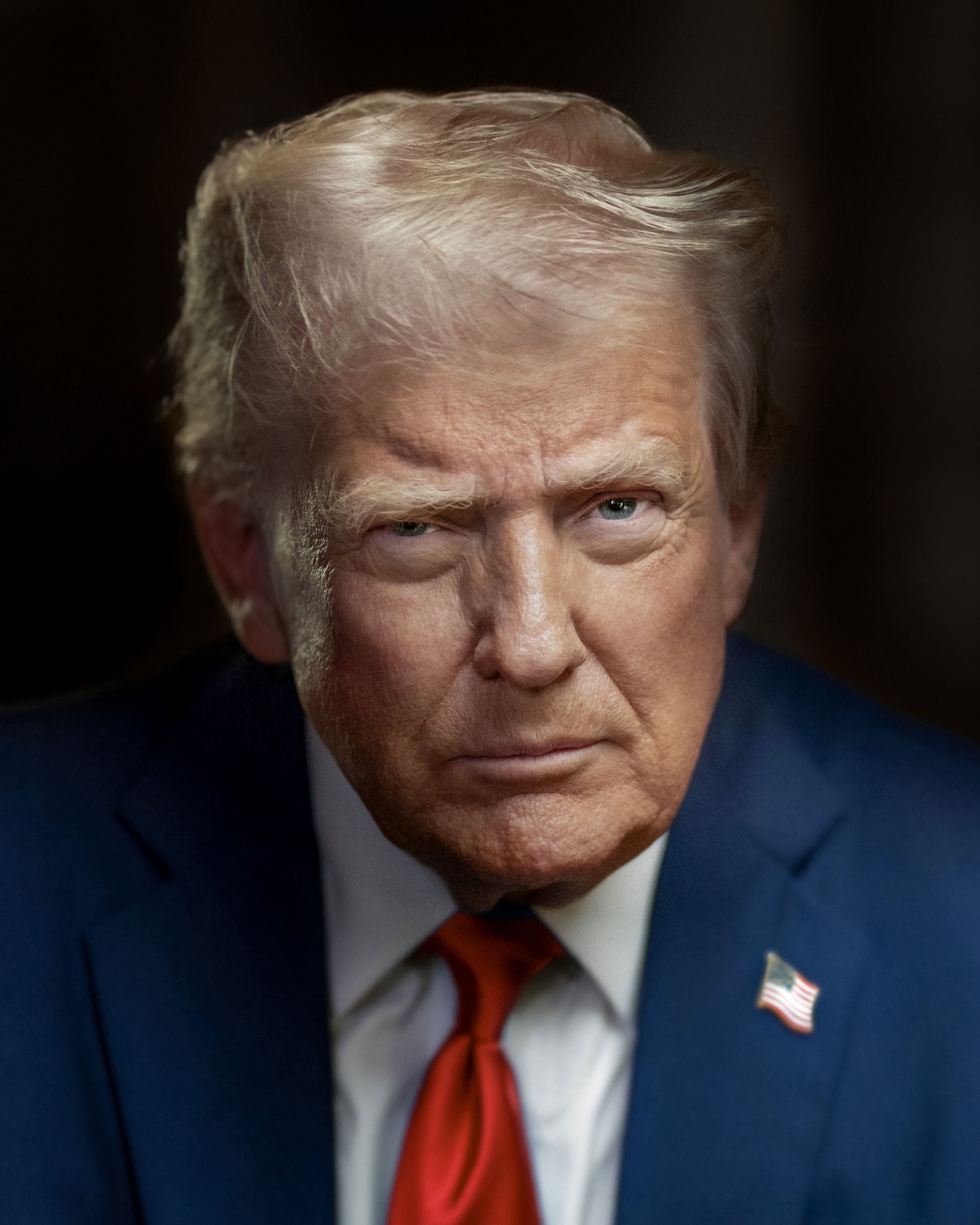 Donald Trump's warning during his Beijing state visit against a formal independence declaration, the Taipei Times reported, and the opposition Kuomintang demanded that Lai stop "dodging" and say whether China is a foreign country.
The KMT cited the constitution to argue cross-strait ties are not "state-to-state," saying "mainland China is not a foreign country to Taiwan" and urging Lai to return to the so-called 1992 consensus to avoid pushing Taiwan's 23 million people "to the front line of war." Taiwan's foreign ministry had already declared the island "a sovereign and independent democratic nation," while insisting US arms sales were a security commitment under the Taiwan Relations Act after Trump called them "a very good negotiating chip," Hong Kong Free Press reported.
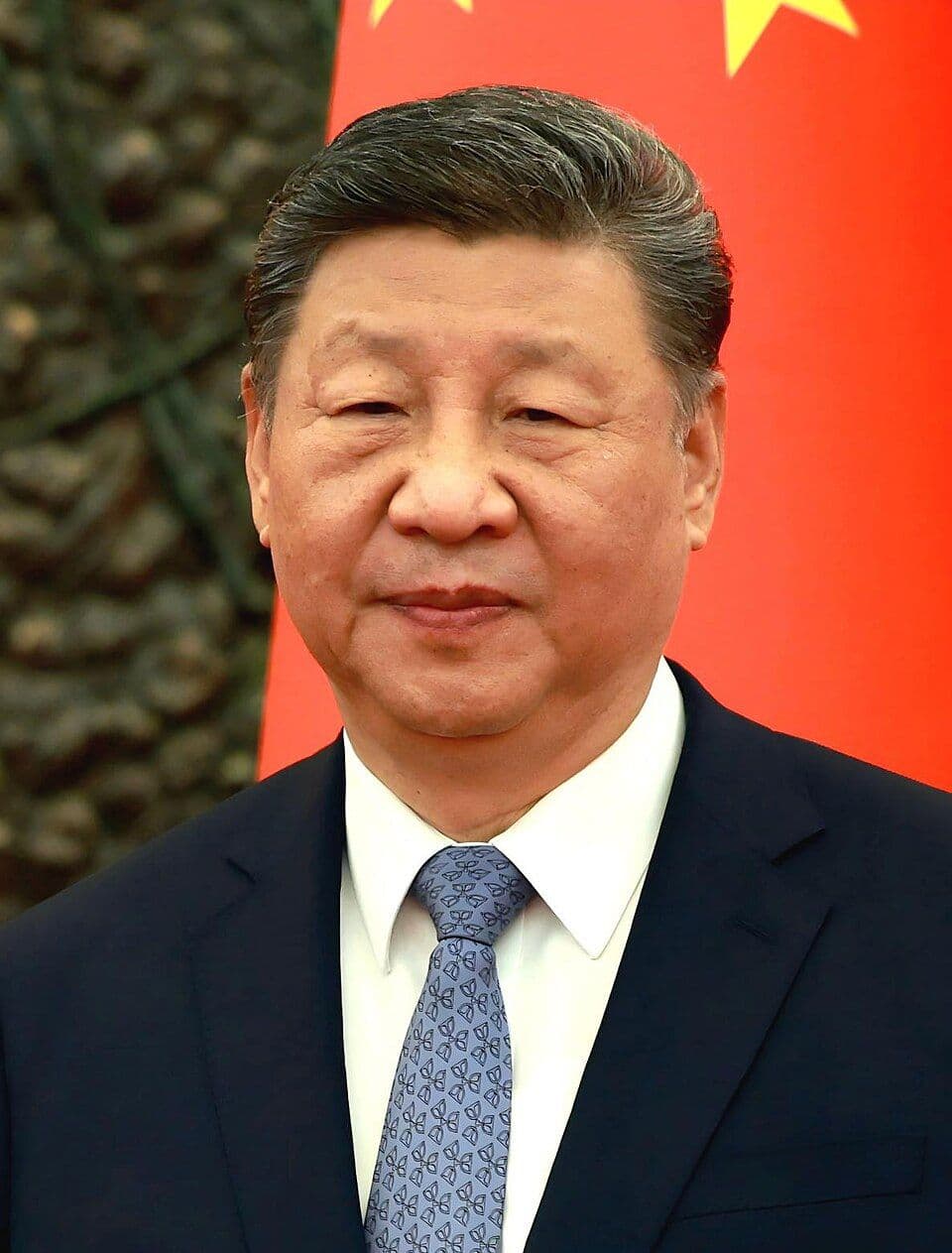
Trump told Fox News he wanted Taipei and Beijing to "cool down" and said "nothing's changed" on US policy, though his framing of arms as negotiable signaled a shift, the Japan Times reported. Lev Nachman of National Taiwan University told AFP that "overtly stating that arms are a bargaining chip is exactly what Taiwan didn't want to hear," and a National Chengchi University analyst said the administration appeared to be "leaning to China's position." 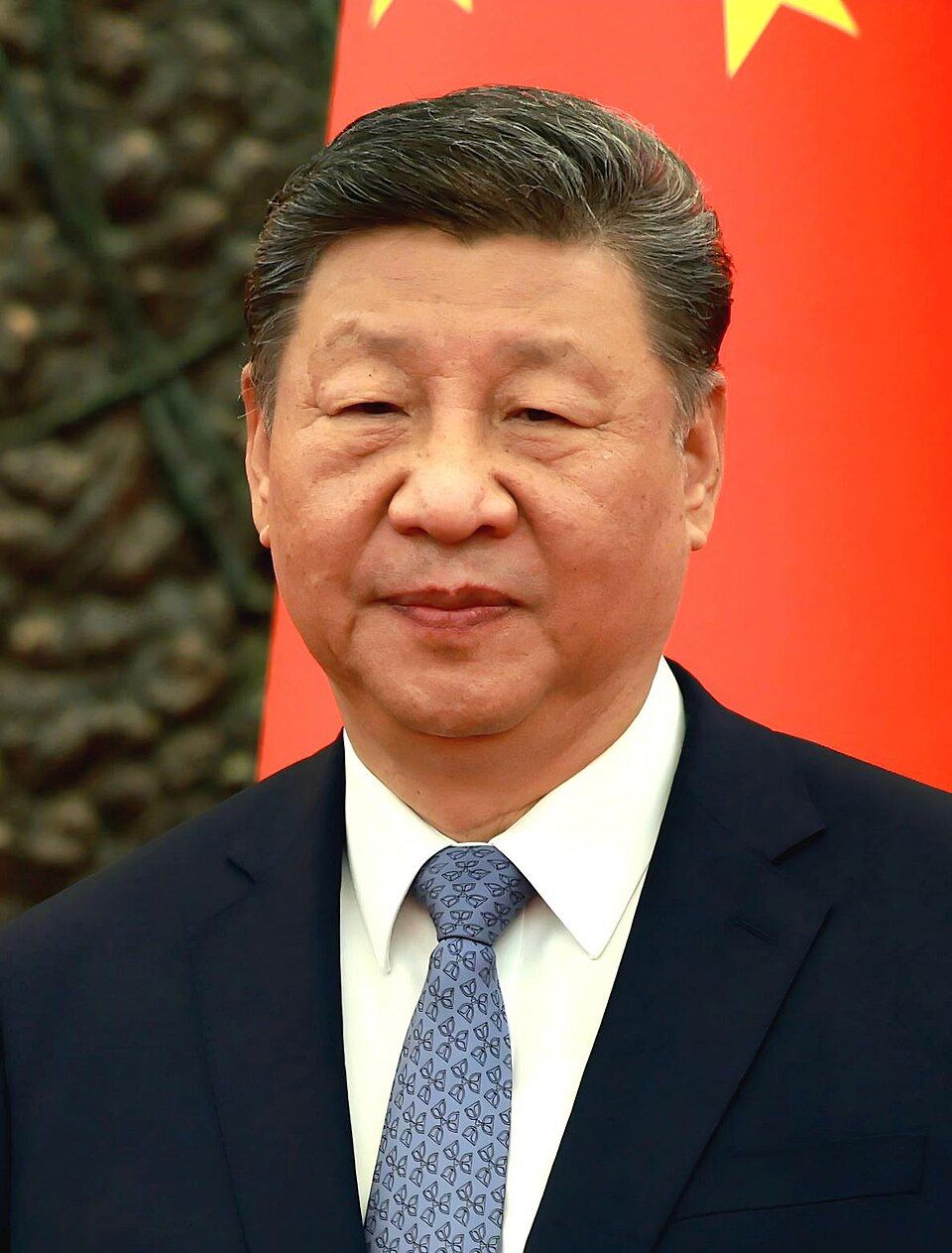 Xi Jinping had opened the summit warning that missteps on Taiwan could cause "conflict."
Figures referenced: Lai Ching-te, Donald Trump, Xi Jinping. — JudgeMarket.