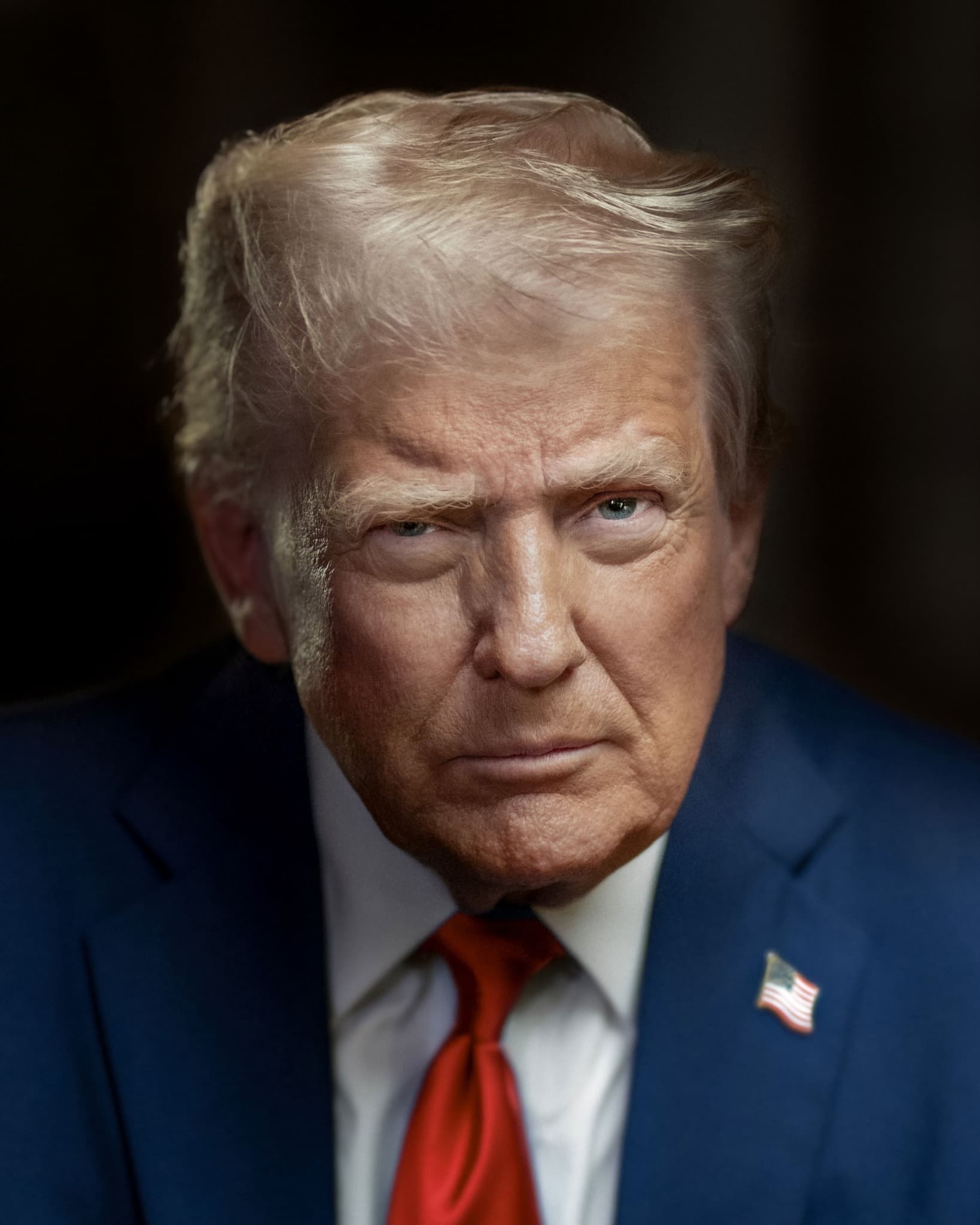
Senate Republicans refused on Thursday to advance a roughly $72bn immigration-enforcement bill for 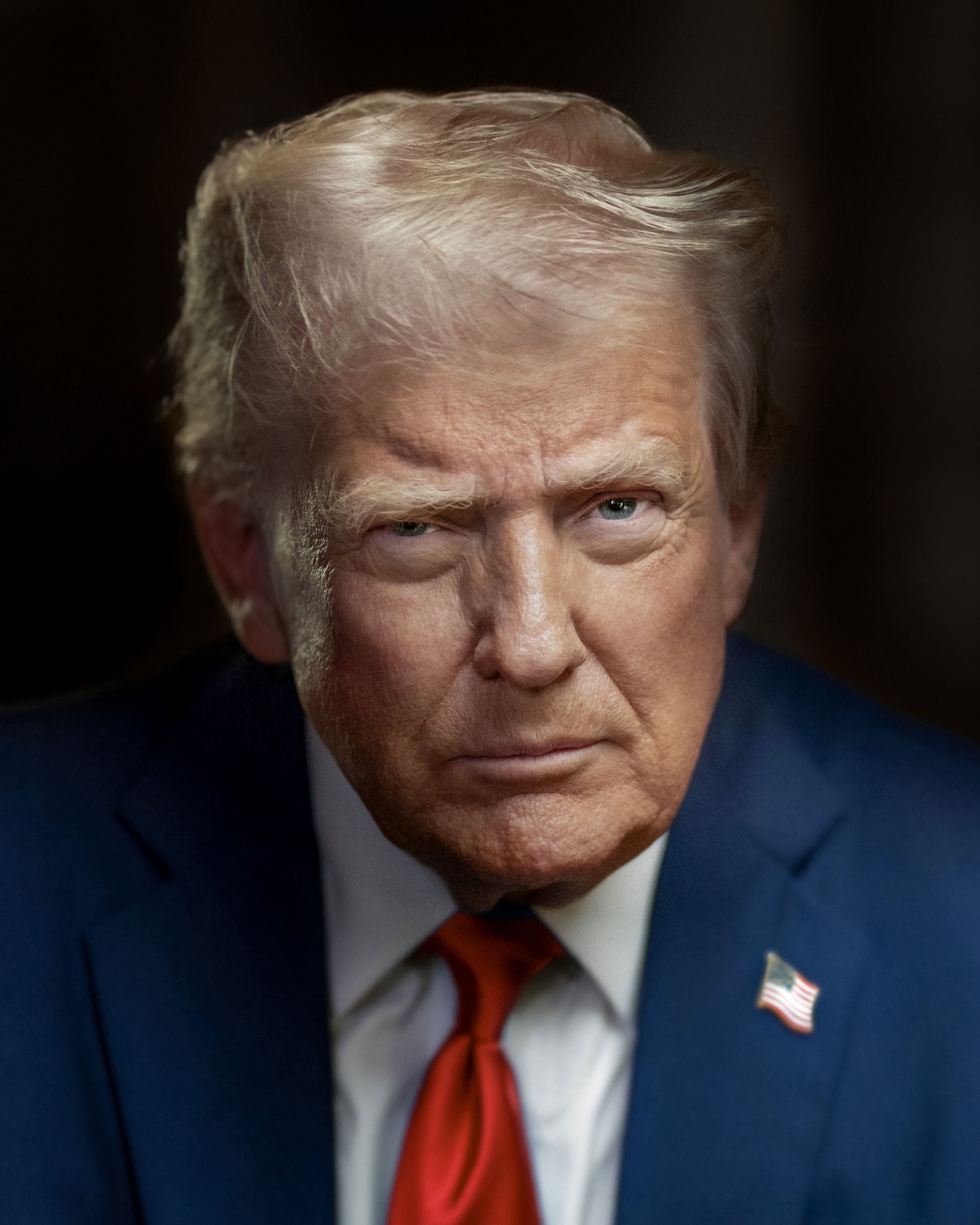 Donald Trump, in a rare intra-party revolt driven by objections to a new $1.776bn "anti-weaponization" fund created out of his recent lawsuit settlement. Acting Attorney General Todd Blanche made an unplanned trip to the Capitol to argue the case for the fund and failed to win the conference over after a roughly two-and-a-half-hour meeting, PBS NewsHour reported. The chamber then left for its Memorial Day recess without scheduling a new vote ahead of the Trump-set June 1 deadline, the Guardian reported.
Why did the bill stall? The fund was set up as part of a settlement of a lawsuit Trump filed against the Internal Revenue Service over the leak of his tax records, with about $1.776bn set aside for people deemed to have been "weaponized" against. A separate sticking point was a $1bn request to add White House ballroom security funding to the ICE bill, which Republican leaders signaled on Wednesday they would drop, the Guardian reported. Senate Majority Leader John Thune said of the package, "It was something that was supposed to be very narrow, targeted, focused, clean, straightforward, and it got a little bit more complicated this week."
Who broke with the president? Senator Thom Tillis, who is not seeking re-election, called the fund "stupid on stilts" and said voters would "reject this out of hand," Al Jazeera reported. Senator Don Bacon of Nebraska told reporters Trump had "lost some support in the Senate," telling Al Jazeera that the president "is the plaintiff and the boss of the defendants. So just on the surface, it smells."
What about the fund's mechanics? The one-page Justice Department document circulated to senators specifies that Trump and his sons would receive only an apology and no monetary payment from the settlement, PBS reported, but does not say that condition is legally binding. The document tasks five appointees of the attorney general — himself a presidential appointee — with distributing the funds, and does not exclude people convicted of January 6 assaults from eligibility.
Figures referenced: Donald Trump. — JudgeMarket.