
Deng Xiaoping: 15 Frequently Asked Questions
Explore 15 FAQs about Deng Xiaoping — architect of China's reform and opening, the leader who transformed the world's most populous nation into a market economy. Trade his reputation on JudgeMarket.
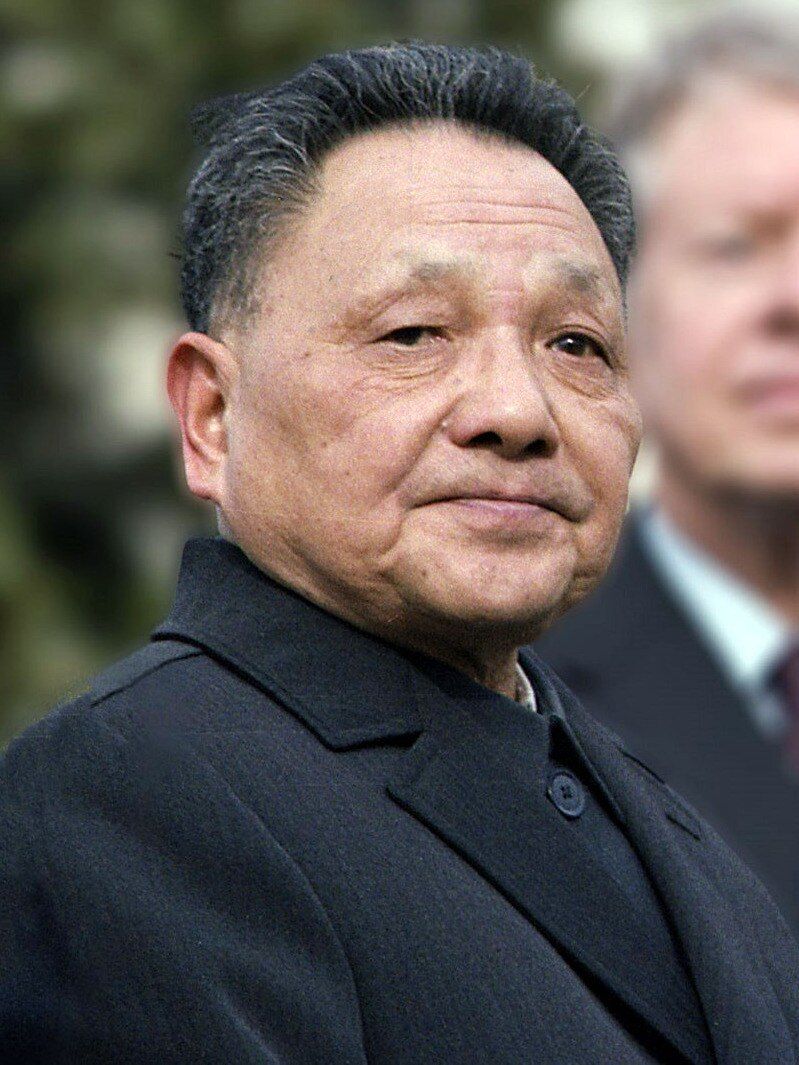
Who is Deng Xiaoping and why is he famous?
Deng Xiaoping (1904–1997) was the paramount leader of China from 1978 to the early 1990s and the principal architect of the country's "reform and opening" (改革开放). Although he never held the formal top positions of General Secretary, Premier, or President, he held supreme political authority through his chairmanship of the Central Military Commission and his unrivaled stature within the Party. Under his leadership, China abandoned Maoist economic orthodoxy, embraced market mechanisms, opened to foreign investment and trade, and began the four-decade ascent that transformed it into the world's second-largest economy. He is also known for the violent suppression of the 1989 Tiananmen Square protests and the "one country, two systems" formula that governed Hong Kong's return to China.
What is Deng Xiaoping's main political legacy?
Deng's legacy is the pivot from revolutionary to developmental China. He launched the Household Responsibility System in agriculture that decollectivized farming, established Special Economic Zones (notably Shenzhen, which grew from a fishing town to a megacity), opened China to foreign capital and joint ventures, normalized relations with the United States, and reorganized the CCP around economic competence rather than ideological purity. He institutionalized term limits, retirement ages, and collective leadership norms — all designed to prevent a recurrence of Mao Zedong-style personalism. His phrase "to get rich is glorious" captured the moral reframing of his era. Many of his institutional reforms have been rolled back under Xi Jinping, making the durability of his political legacy a live question.