Introduction
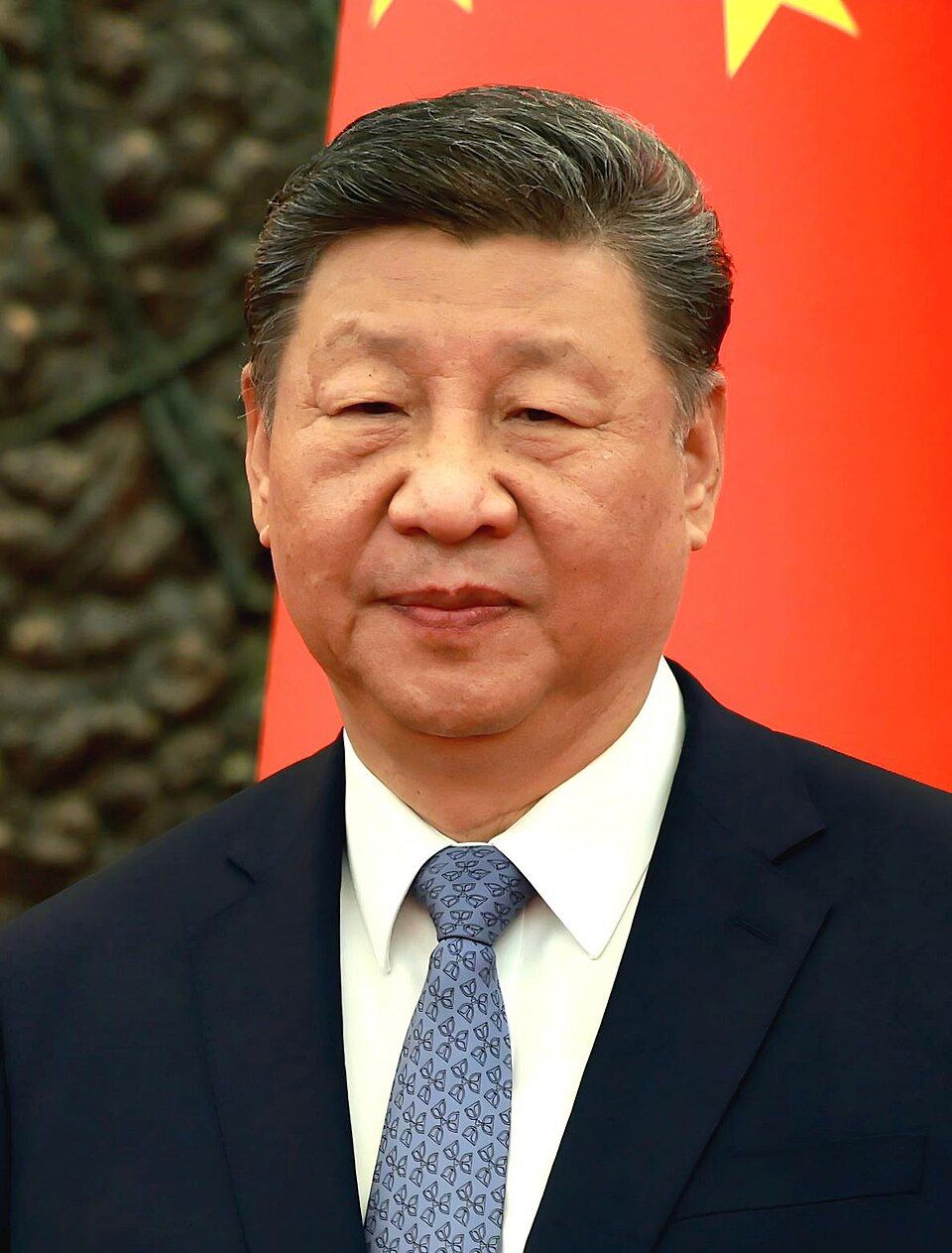
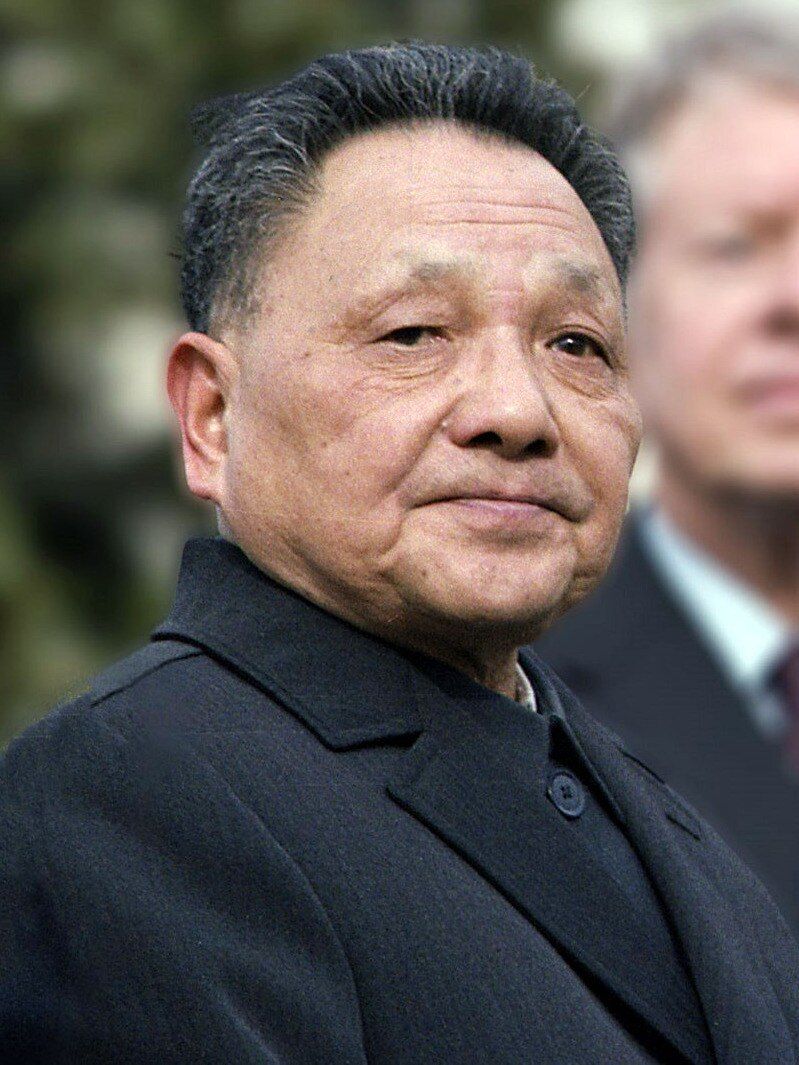
Within the post-Mao history of the Chinese Communist Party, no contrast is sharper than Xi Jinping versus Deng Xiaoping. Deng is the architect of reform-and-opening — the doctrine that made China the second-largest economy in the world, lifted some 800 million people out of poverty, and produced the longest sustained growth miracle in modern history. Xi is the leader most associated with reversing many of the institutional safeguards Deng put in place after Mao Zedong — most notably the two-term presidential limit, removed in 2018.
This is not just a generational comparison; it is an internal debate inside Chinese politics about what kind of party, and what kind of country, China should be. JudgeMarket prices both figures continuously, and the spread between them is one of the cleanest signals on the platform about how the world is weighing Chinese governance choices.
Similarities
It is easy to overstate the contrast. Both Deng and Xi are committed Communists who saw the party — not democracy, not the market alone — as the vehicle for national rejuvenation. Both believed in pragmatic state guidance of the economy. Both faced moments where they prioritized regime stability over liberalization, with Deng's most consequential being June 4, 1989.
Both are also "princeling"-adjacent in the sense that they emerged from the original revolutionary generation's network — Xi's father Xi Zhongxun was a senior revolutionary purged in the Cultural Revolution; Deng himself was a Long March veteran who was purged twice by Mao and rehabilitated twice. Both men understood the cost of unchecked personal power because they had lived through it, and both ultimately responded to that experience in opposite ways.
Both pursued long-horizon national projects. Deng's was the gradual move of China into the global economy. Xi's is the Belt and Road, technological self-sufficiency, and a more confrontational global posture. Both treated the relationship with the United States as the most important external variable.
Key Differences
The institutional difference is the headline. Deng's post-Mao reforms were explicitly designed to prevent another personalized dictatorship. He institutionalized collective leadership, term limits, mandatory retirement ages, and the orderly succession that produced Jiang Zemin and then Hu Jintao. Deng himself stepped back from formal titles and ruled increasingly from the background.
Xi has dismantled or strained most of these mechanisms. The 2018 constitutional amendment removed the two-term presidential limit. His "Xi Jinping Thought on Socialism with Chinese Characteristics for a New Era" is now in the constitution and is the only living-leader doctrine to receive that treatment since Mao. He has secured a third term and is widely expected to seek further terms.
Economically, the gap is significant. Deng's "reform and opening" welcomed foreign capital, created special economic zones, restored private enterprise, and made China a low-cost manufacturing hub. Xi's "common prosperity" agenda, the 2020 crackdown on Ant Group after Jack Ma's controversial speech, the regulatory squeeze on tech, education tutoring, and gaming sectors, and the broader return of party committees to private firms all represent a re-assertion of state and party primacy over the market.
On foreign policy, the contrast is just as clear. Deng's famous instruction — variously translated as "hide your capabilities and bide your time" — kept China deliberately understated on the world stage as it grew. Xi has explicitly retired that doctrine. "Wolf warrior" diplomacy, the militarization of South China Sea features, the Belt and Road, and the much more assertive posture on Taiwan all reflect a China that has decided being underestimated no longer serves its interests.
There is also a generational gap in what each man's defining trauma was. Deng's was the Cultural Revolution, which made him deeply skeptical of mass mobilization and personality cults. Xi's formative experience was also the Cultural Revolution — sent down to rural Shaanxi as a teenager after his father was purged — but he drew a different lesson: that the party must be disciplined and unified under strong central authority, lest it tear itself apart again.
The Reputation Trade
On JudgeMarket, Deng Xiaoping trades as one of the most consequential reformers in modern history. His price largely reflects the long-run consensus that reform-and-opening was one of the most important policy decisions of the 20th century — qualified, for many traders, by 1989. His price moves slowly because his record is largely closed.
Xi Jinping trades on live news. Every Taiwan exercise, US-China meeting, property-developer collapse, chip-export-control round, and major party plenum moves his price. His verdict is being written in real time.
Who buys Deng? Almost everyone who weights material outcomes — the lifting of hundreds of millions out of poverty is arguably the single largest improvement in measurable human welfare in any 30-year period in history. Who sells Deng? Those for whom 1989 weighs more heavily than the growth record, and those who argue the social and political deformations of the rapid-growth era (corruption, inequality, environmental damage) were larger than the reform narrative admits.
Who buys Xi? Those who think the Deng-era institutional architecture was already eroding (corruption, factional politics) and required correction, and who think the technological and industrial bet will pay off. Who sells Xi? Those who think the centralization is replacing the very institutions that made the Chinese growth model durable.
Verdict
This is the cleanest "model A versus model B" comparison in Chinese politics. JudgeMarket does not pick a winner — it surfaces the collective verdict in real time. The interesting question is which model each individual trader believes is more sustainable.
The case for upside on Deng: historical distance tends to be kind to leaders associated with sustained material progress, and the more China's economy slows, the more nostalgic the assessment of the high-growth Deng era tends to become.
The case for upside on Xi: the same outcomes that would lock in his legacy — managing the US-China rivalry without a war, achieving semiconductor self-sufficiency, navigating demographic decline — are also the outcomes that would retrospectively justify the centralization. If China gets through the next decade intact and technologically capable, the institutional choices look prescient. If it doesn't, they look catastrophic.
This is the trade. Take your position on JudgeMarket.