
Ren Zhengfei: 15 Frequently Asked Questions
Explore 15 FAQs about Ren Zhengfei — Huawei founder, former PLA officer, and central figure in US-China technology tensions. Trade his reputation on JudgeMarket.
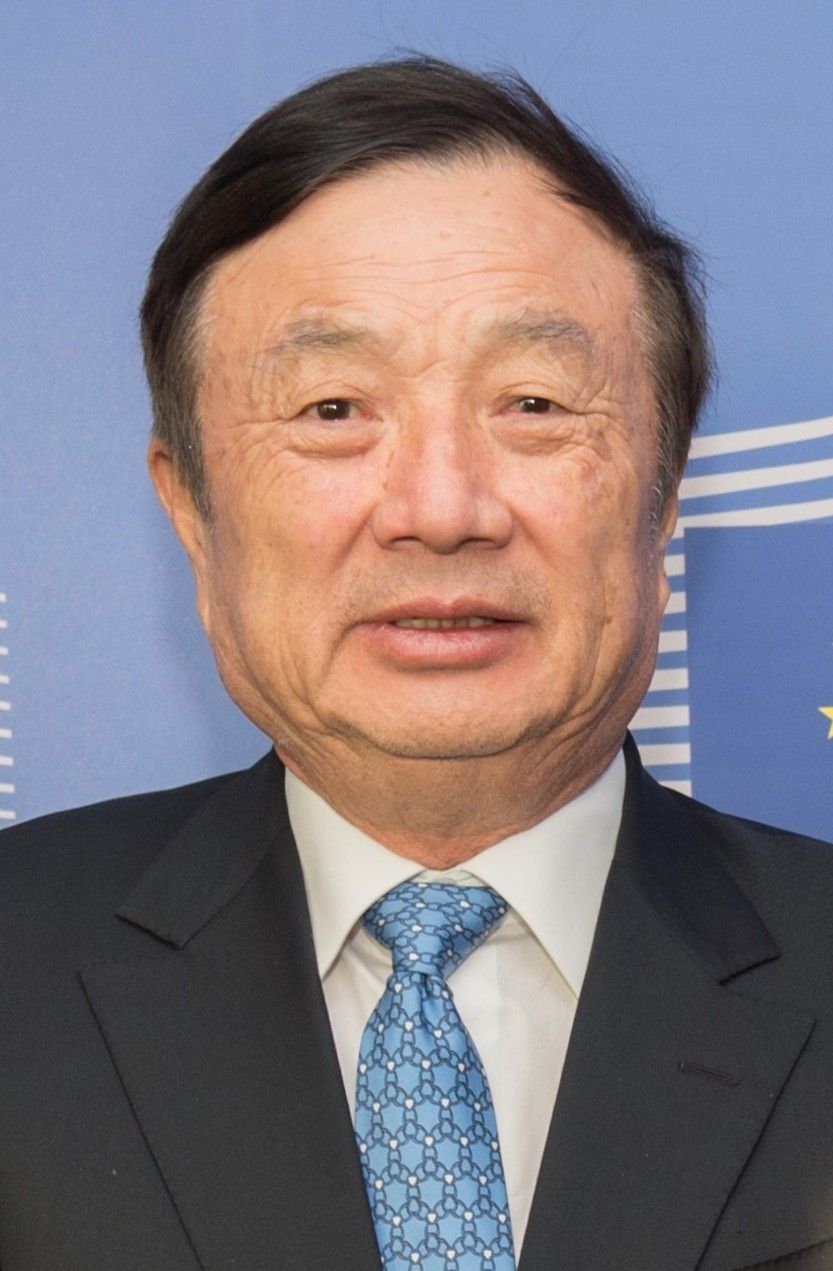
Who is Ren Zhengfei and why is he famous?
Ren Zhengfei (born 1944) is the founder of Huawei Technologies, the Chinese multinational telecommunications equipment and consumer electronics company that has become one of the most consequential firms in modern global technology. He founded Huawei in 1987 in Shenzhen with approximately 21,000 RMB in initial capital, growing it over nearly four decades into the world's largest telecommunications equipment maker and at various points the world's largest smartphone manufacturer by units shipped. A former officer in the People's Liberation Army's engineering corps, his military background and Huawei's role in critical telecommunications infrastructure have made him one of the most internationally scrutinized Chinese business figures. He has been the central figure in US-China technology tensions since the Trump administration's 2019 sanctions and entity list designation of Huawei, and his daughter Meng Wanzhou's December 2018 arrest in Canada at US request added a personal dimension to those tensions.
What is Ren Zhengfei's core legacy?
Ren's core legacy is building Huawei from a small regional electronics reseller into a global telecommunications infrastructure leader and demonstrating that a Chinese company could compete at the frontier of telecommunications technology against Cisco, Ericsson, Nokia, and other established Western firms. Huawei's 5G technology leadership, its role in deploying telecommunications infrastructure across emerging markets, its HiSilicon semiconductor design subsidiary, and its consumer electronics business made it one of the most technologically capable Chinese firms. Beyond Huawei, his management philosophy — emphasized through the "Huawei Basic Law" company constitution, customer-centricity, long-term R&D investment exceeding 15% of revenue, and the employee shareholding system — has been studied as a distinctive model in Chinese management. His resilience through US sanctions and the company's pivot toward semiconductor self-sufficiency under sanctions pressure further define the legacy.