
Napoleon Bonaparte: 15 Frequently Asked Questions
Everything about Napoleon Bonaparte — military genius, emperor, lawmaker. His conquests, exile, and enduring legacy explained.
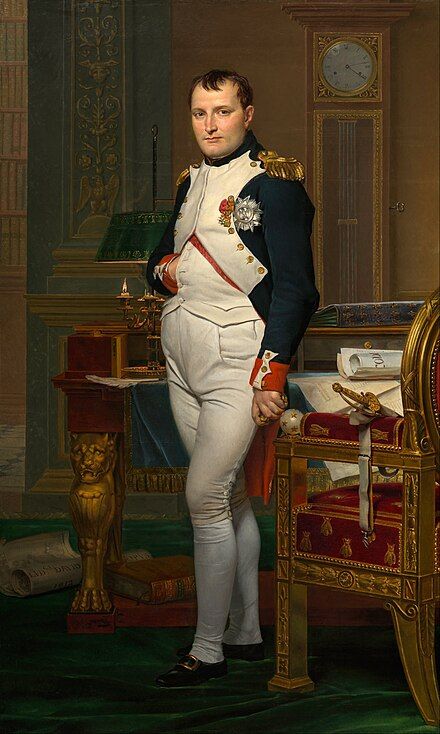
When and where was Napoleon Bonaparte born?
Napoleon Bonaparte was born on August 15, 1769, in Ajaccio on the island of Corsica, just one year after France acquired the territory from the Republic of Genoa. He was the fourth of eight surviving children in the Buonaparte family, minor Italian nobility. His Corsican origins shaped his outsider identity within mainland French society, fueling both his ambition and the prejudice he faced at military school in Brienne and later at the Ecole Militaire in Paris. His early years on Corsica instilled a fierce independence that would define his character throughout his extraordinary rise to power.
How did Napoleon die, and where was he buried?
Napoleon died on May 5, 1821, on the remote island of Saint Helena in the South Atlantic, where he had been exiled by the British after his defeat at Waterloo. He was 51 years old. The official cause of death was stomach cancer, though arsenic poisoning theories have persisted for decades based on hair sample analyses. He was initially buried on Saint Helena in the Valley of the Willows. In 1840, King Louis-Philippe arranged the return of his remains to France, where they were interred with great ceremony at Les Invalides in Paris — a monument that remains one of the most visited sites in France today.