Introduction
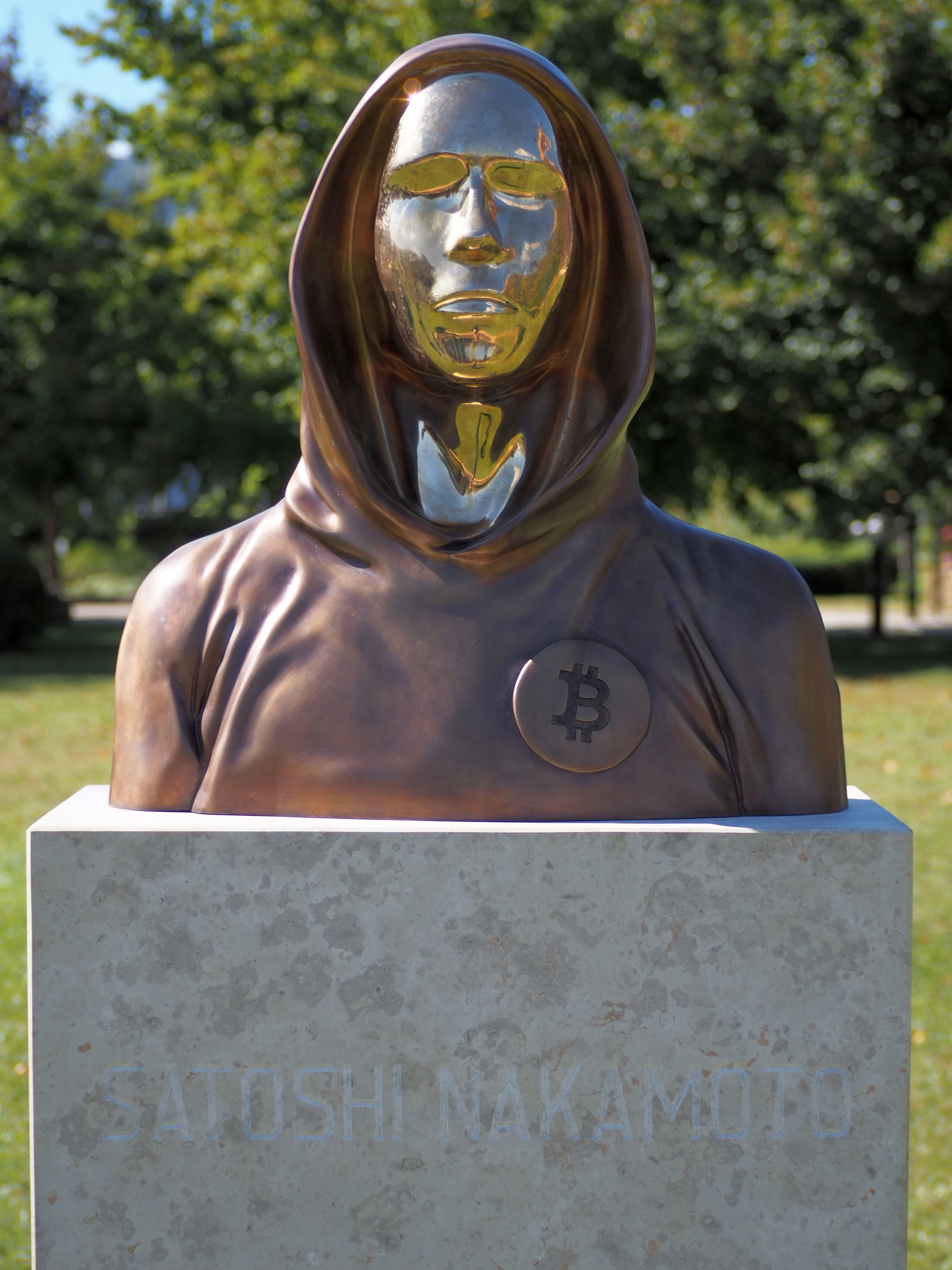
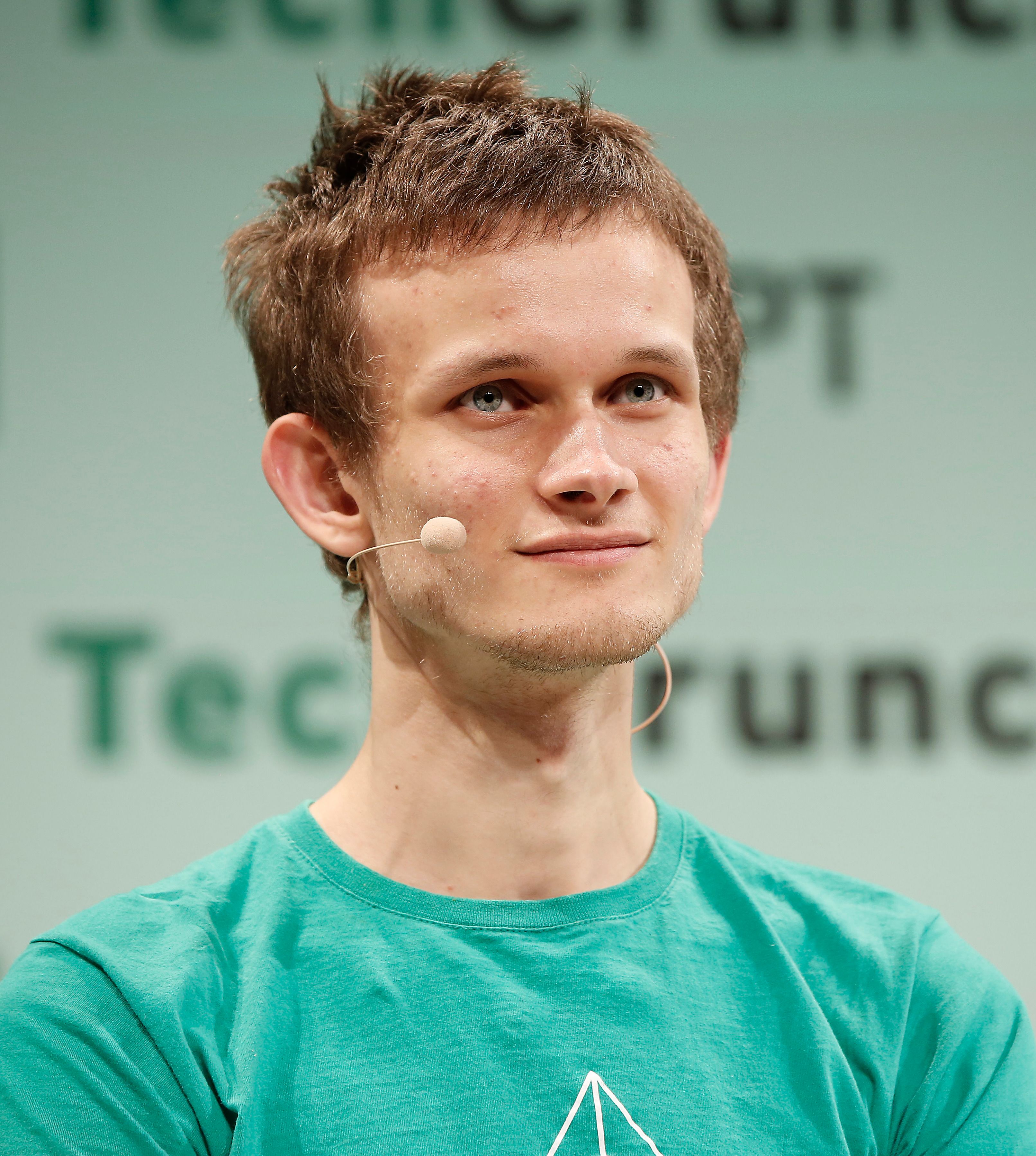
Satoshi Nakamoto and Vitalik Buterin are the two most consequential individuals in the history of public blockchains, and they could not be more different. Satoshi is anonymous, has not been heard from since 2011, and is presumed to hold close to a million Bitcoin that has never moved. Vitalik is a public-facing 30-something who travels constantly, writes long blog posts, attends Devcon, and is one of the most visible technical leaders in the entire industry.
They also founded protocols with very different philosophies. Bitcoin is deliberately minimalist — a fixed-supply, proof-of-work, monetary settlement layer. Ethereum is deliberately maximalist — a programmable, evolving, smart-contract platform that has migrated to proof-of-stake and is now scaling through rollups. JudgeMarket prices both figures continuously, and the spread between them is one of the cleanest indicators on the platform of how the world is reading the future of crypto.
Similarities
Both Satoshi and Vitalik are extraordinary technical founders who designed working cryptoeconomic systems that have endured at scale. Both released foundational whitepapers — Satoshi's 2008 Bitcoin paper, Vitalik's 2013 Ethereum paper — that are now among the most widely read technical documents in modern software history.
Both designed for credible neutrality and decentralization as first principles. Both gave away their projects to broader communities rather than retaining centralized control. Satoshi did so by disappearing entirely. Vitalik has done so more gradually — stepping back from formal governance roles, delegating to a wider set of researchers, and openly advocating for the credible neutrality of the protocol itself over the personalities running it.
Both have also become focal points for the cultural and political identity of their respective communities. Bitcoin's "hodlers" treat Satoshi's pseudonymous disappearance as a foundational virtue: the absence of a leader is itself the point. Ethereum's community engages with Vitalik's blog posts, conference talks, and technical proposals as a continuous conversation about where the protocol should go next.
Key Differences
Visibility is the most obvious. Satoshi has been silent since 2011. Every claim of identity — Craig Wright's repeated lawsuits, journalistic investigations naming various candidates — has been either disproved or, at minimum, never definitively confirmed. The pseudonym is structural to Bitcoin's narrative: there is no founder to capture, sanction, or coerce.
Vitalik Buterin is the opposite. He gives keynotes, posts on his blog and on X, travels openly between Singapore, Argentina, and Eastern Europe, and engages publicly with critics. He is one of the most legible founder-figures in any major technology platform, and his personal credibility is part of what holds the Ethereum ecosystem together.
The protocol philosophies follow. Bitcoin is conservative by design: a 21-million coin cap, proof-of-work, a deliberately minimal scripting language, and a culture that treats protocol changes as something close to constitutional amendments. Ethereum is iterative by design: it transitioned from proof-of-work to proof-of-stake in the Merge (2022), has multiple hard forks per year, and continues to evolve via EIPs.
Their relationships with regulation and institutions also differ. Bitcoin's narrative is sovereign, opt-out, "store of value." It is now held as a treasury asset by Michael Saylor's Strategy (formerly MicroStrategy), by several sovereign wealth funds, and is the underlying for spot ETFs in the US. Ethereum's narrative is more about programmable settlement — DeFi, stablecoins, NFTs, on-chain identity, rollups — and it sits in a more complicated regulatory category in many jurisdictions.
Their financial profiles are likewise different. Satoshi's presumed holdings — approximately 1 million BTC — have never moved, making him potentially one of the wealthiest individuals on earth on paper but with no realized wealth and no public consumption. Vitalik's holdings are public, his donations are public (notably tens of millions in SHIB and AKT given to longevity research and pandemic relief), and his lifestyle is famously frugal.
The Reputation Trade
On JudgeMarket, Satoshi Nakamoto trades as a uniquely structured asset: a pseudonymous founder whose price reflects the cultural and economic durability of Bitcoin itself, but who cannot move further in or out of public view. Bitcoin price moves, ETF flows, sovereign-treasury announcements, and major regulatory rulings all move Satoshi's price. The risk to his reputation is essentially: someone proves who he is, and the identity revelation changes the narrative.
Vitalik Buterin trades on live activity. Every Ethereum upgrade, every rollup launch, every Devcon keynote, every blog post on quadratic funding or proof-of-personhood, every public exchange with critics moves his price. He is also exposed to the personal risk that no anonymous founder carries: poor public decisions, controversial statements, or personal misadventures can move his price in ways Satoshi's cannot.
Who buys Satoshi? Those who think Bitcoin's monetary thesis is structurally durable, that the anonymity is a feature not a bug, and that the absence of an identifiable founder makes Bitcoin's neutrality more credible over time. Who sells Satoshi? Those who think Ethereum and its descendants will define the future of programmable money, or those who think proof-of-work's energy footprint will eventually be regulated away.
Who buys Vitalik? Those who think programmable blockchains will be the dominant paradigm, that Ethereum will retain primacy as the rollup base layer, and that Vitalik's public technical leadership is a durable asset for the ecosystem. Who sells Vitalik? Those who think competing L1s (Solana ecosystem aside; relevant comparison figures include other crypto founders) will erode Ethereum's market share, or those who think the personal visibility creates concentration risk.
Verdict
JudgeMarket does not pick a winner between the founder of digital money and the founder of programmable digital money. The market surfaces both prices.
The case for upside on Satoshi: the longer Bitcoin endures as a $1T+ asset class without a founder to coerce or sanction, the more the original design choices look prescient. The narrative of credible neutrality strengthens with time, not weakens.
The case for upside on Vitalik: if the next decade of crypto is about real economic activity on-chain — stablecoin payments, on-chain identity, prediction and reputation markets, DeFi, AI agent settlement — Ethereum's first-mover advantage and Vitalik's continued technical leadership compound.
Take your position on both at JudgeMarket.