Логотип JudgeMarketJudgeMarketUS
Награды Пригласить друзей Новости Блог Билдеры Поддержка
© 2026 JudgeMarket
AboutPrivacyTermsWhat is OPSNewsBlog
ГлавнаяКошелёк
Home>Chen Shui-bian>FAQ

Chen Shui-bian: 15 Frequently Asked Questions

Explore 15 FAQs about Chen Shui-bian — first DPP president of the Republic of China, ROC President from 2000 to 2008, and a defining figure whose legacy is both pioneering and tarnished by corruption convictions. Trade his reputation on JudgeMarket.
May 27, 2026
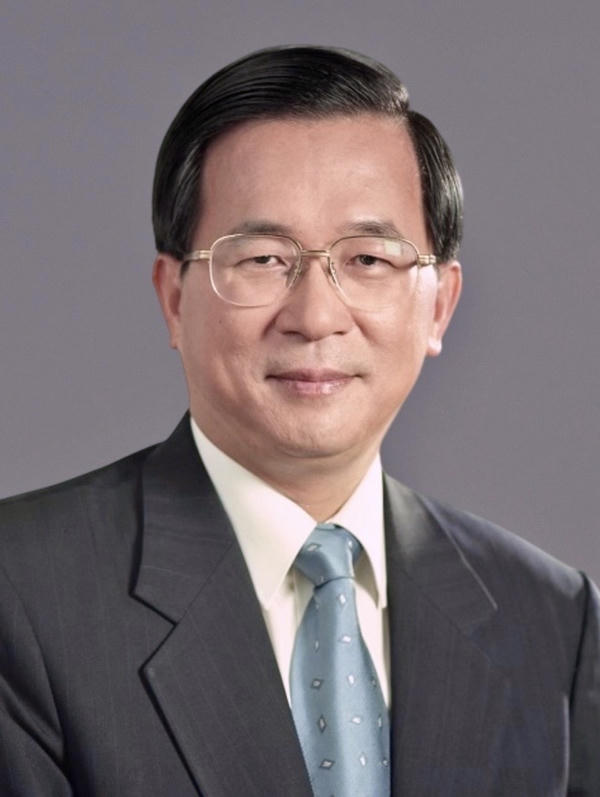
Chen Shui-bian
Chen Shui-bian22.32 OPS +1.45%
Trade Now →
Who is Chen Shui-bian and why is he famous?
Chen Shui-bian (born 1950) served as President of the Republic of China (Taiwan) from 2000 to 2008, becoming the first non-KMT and first Democratic Progressive Party president in Taiwan's history. Born into rural poverty in Tainan, he graduated from National Taiwan University law school and became a maritime lawyer before entering politics through the dangwai (outside-the-party) movement in the early 1980s. He defended democracy activists in the 1979 Kaohsiung Incident trial, was imprisoned briefly for libel in 1985, and his wife was paralyzed in a hit-and-run widely suspected to be politically motivated. He served as Taipei Mayor from 1994 to 1998, won the presidency in 2000 in a three-way race, and was reelected in 2004 by a razor-thin margin. After leaving office, he was prosecuted, convicted, and imprisoned on corruption charges.
What is Chen Shui-bian's main political legacy?
Chen's legacy has two inseparable strands. As the first DPP president, he broke the KMT's continuous hold on Taiwan's central government since 1945, demonstrating that Taiwan's democratic transition under Chiang Ching-kuo and Lee Teng-hui had fully matured into a system capable of peaceful party turnover. He pursued an assertive Taiwanese identity politics, including the 2006 dissolution of the National Unification Council and a 2008 UN membership referendum. However, his post-presidency corruption conviction — for money laundering, bribery, and other charges related to family business dealings — fundamentally damaged the DPP's reputation and contributed to the party's electoral collapse in 2008. His legacy is genuinely double-sided: pioneering and tarnished simultaneously.
Why is Chen Shui-bian controversial?
Chen's controversy spans political and personal dimensions. Politically, his cross-strait positioning was more assertively pro-independence than his predecessors, including the 2002 "one country on each side" formulation and various initiatives that strained both US-Taiwan and cross-strait relations. The 2004 assassination attempt — in which he was wounded the day before the election he narrowly won — has been the subject of conspiracy theories from both supporters and opponents. Most damaging, his corruption conviction (initially sentenced to life imprisonment, later reduced) ended his post-presidency standing and severely damaged the DPP's institutional credibility. His subsequent medical parole and continued public political role have remained contentious. Supporters argue the prosecutions were partly politically motivated; critics view the convictions as fully justified.
What was Chen Shui-bian's background?
Chen was born in October 1950 in Guantian, Tainan, to an impoverished tenant farming family. He graduated first in his class from National Taiwan University law school in 1974 and became a successful maritime lawyer in private practice. He entered politics in 1980 through the dangwai movement opposing KMT one-party rule, defending democracy activists arrested in the 1979 Kaohsiung Incident. He won election to the Taipei City Council in 1981 and the Legislative Yuan in 1989. In 1985, he was sentenced to a year in prison on libel charges relating to a magazine article about a KMT politician. He was a founding member of the DPP in 1986. His path from poverty to the presidency embodied Taiwan's democratic possibility.
How did Chen Shui-bian win the 2000 election?
Chen's 2000 victory came in a three-way race between Chen, KMT establishment candidate Lien Chan, and former KMT figure James Soong who ran as an independent after losing the KMT nomination. Soong split the KMT base, allowing Chen to win with approximately 39 percent of the vote — the KMT's first loss of central government power in Taiwan's history. The result ended over 50 years of continuous KMT rule and demonstrated the success of Chiang Ching-kuo's and Lee Teng-hui's democratic reforms. Chen took office in May 2000 facing a KMT-majority Legislative Yuan and intense cross-strait scrutiny. His initial inauguration speech included the moderate "Five Nos" formulation pledging not to declare independence absent PRC military action.
What were the key events of Chen Shui-bian's presidency?
Key events included the 2001 implementation of the "small three links" allowing limited direct shipping, postal, and trade between Taiwan and the mainland; the 2002 "one country on each side" formulation that hardened his cross-strait positioning; the September 11 attacks that reshaped US foreign policy in ways that affected Taiwan's strategic positioning; the 2003–2004 SARS outbreak and its handling; the March 2004 assassination attempt the day before his razor-thin reelection; the 2006 dissolution of the National Unification Council; the 2008 UN membership referendum that failed to meet turnout thresholds; and growing corruption allegations against his family that erupted into formal prosecutions immediately after he left office in May 2008.
How is Chen Shui-bian viewed differently across regions?
Within Taiwan, Chen polarizes sharply along partisan lines. Hardcore DPP supporters and pro-independence voters maintain loyalty and view his prosecution as politically motivated. KMT supporters and moderates generally view the corruption conviction as justified accountability. The broader DPP under Tsai Ing-wen and Lai Ching-te has maintained polite distance, neither rehabilitating nor condemning him fully. In mainland China, he is treated with intense hostility as the architect of formal pro-independence positioning. In the United States, his presidency was viewed with growing concern over destabilizing cross-strait positioning, with the Bush administration unusually critical of an ally. Internationally, his trajectory from democratic pioneer to convicted leader is among the more dramatic in modern democratic transitions.
What corruption charges was Chen convicted of?
Chen was charged with multiple corruption-related offenses including money laundering, embezzlement, taking bribes, and concealing illegal political funds. The cases centered on his wife Wu Shu-jen's handling of campaign funds, alleged bribery related to a land deal and other business transactions, and the failure to declare assets. He was initially sentenced to life imprisonment in 2010, later reduced through subsequent appeals. He served time in prison from 2008 to 2015, when he was granted medical parole due to deteriorating health including multiple chronic conditions. He has continued to engage in political commentary from medical parole, though without formal political role. His son Chen Chih-chung has been politically active and won election as a Kaohsiung city councillor.
What is the bull case for Chen Shui-bian's reputation?
Bulls argue Chen's foundational achievement — breaking the KMT's continuous government hold and proving Taiwan's democratic peaceful party-turnover capacity — is historically irreversible and substantial. They credit him with strengthening Taiwanese identity politics, advancing democratic consolidation, and defending Taiwan's autonomy against PRC pressure during a difficult period. They argue the corruption charges, while substantive, must be evaluated against the political context of the post-2008 KMT-led prosecutions. They point to his rural-poverty-to-presidency trajectory as embodying democratic possibility. Long-term, they argue his pioneering role will outweigh the corruption scandal as historical distance grows.
What is the bear case for Chen Shui-bian's reputation?
Bears point to the substantive corruption conviction and resulting damage to DPP institutional credibility, which set the party back for years. They cite his unnecessarily provocative cross-strait positioning that strained both US-Taiwan and cross-strait relations, the 2004 election controversy and assassination attempt mystery, and the political dysfunction of his second term as policy initiatives stalled. Critics argue his post-presidency conduct — continued political commentary while on medical parole — has further damaged the institutional credibility his earlier work helped build. They view him as a cautionary tale about populist personalism overtaking institutional discipline.
How does Chen Shui-bian's OPS price on JudgeMarket reflect public consensus?
Chen Shui-bian is one of the more polarized Taiwan political assets on JudgeMarket. His price reflects the deep tension between his pioneering DPP president role and the corruption conviction that ended his career in disgrace. Loyalist supporters maintain price floor support while broader skepticism caps upside. His order book typically shows wide spreads reflecting active disagreement. Unlike completed presidents whose reputations have stabilized, Chen's continued semi-public role and the ongoing legal aftermath keep his price more volatile than other former presidents like Lee Teng-hui or Chiang Ching-kuo.
What events typically move Chen Shui-bian's price?
Chen's price moves on commemoration of his presidential anniversaries, legal developments related to his case or his family members' cases, any public statements he makes from medical parole, DPP electoral developments under Lai Ching-te that prompt reassessment of his founding-DPP-president role, cross-strait events that highlight his earlier positioning, and KMT statements about his prosecution that frame it as either justified accountability or political vendetta. The 2004 assassination attempt anniversary (March 19) generates periodic price activity.
How does Chen Shui-bian compare to other Taiwan leaders?
Compared to Tsai Ing-wen, Chen represented an earlier, more populist DPP style that Tsai professionalized and disciplined. Compared to Lai Ching-te, Chen is the founding DPP president that Lai succeeded as third DPP president. Compared to Lee Teng-hui, Chen represents the first peaceful party turnover that proved Lee's democratization succeeded. Compared to KMT figures Chiang Kai-shek and Chiang Ching-kuo, Chen represents the opposition success that broke the KMT monopoly. Compared to Ko Wen-je facing his own corruption proceedings, the parallel is noted by Taiwan analysts though the cases differ significantly in scope and political context.
What is the long-term reputation outlook for Chen Shui-bian?
Chen's long-term reputation will likely improve modestly from current levels as historical distance accumulates and his pioneering DPP president role gains weight relative to the corruption conviction. However, full rehabilitation is unlikely absent dramatic reframing of the corruption cases. The DPP itself has avoided full embrace, suggesting the party views his rehabilitation as politically costly. He will likely settle into a complicated legacy — credited as breakthrough figure, debited for corruption — without consensus heroic or villainous status. His health and any future legal developments will affect the trajectory.
Is Chen Shui-bian a good long-term position on JudgeMarket?
Chen Shui-bian is a contested position with both pioneering value and substantial bear case anchors. The bull case rests on historical recognition of his foundational DPP president role and possible distance-induced rehabilitation of the corruption matter. The bear case rests on durable corruption stigma and DPP's continued institutional distance. Compared to other Taiwan former presidents, Chen offers more volatile, more polarized exposure. Pair trades against Tsai Ing-wen can express views on which DPP-era president's legacy will dominate, against Lee Teng-hui on the relative weight of democratization initiation versus first party turnover, and against current Taiwan politicians for directional views on Taiwan's political memory.
Chen Shui-bian
Chen Shui-bian22.32 OPS +1.45%
Trade Now →

Related Content

Trade Chen Shui-bianView live market price and trade OPS

History Will Be the Judge

Start trading with 1,000 free OPS. No wallet needed.

Start Trading →