Introduction
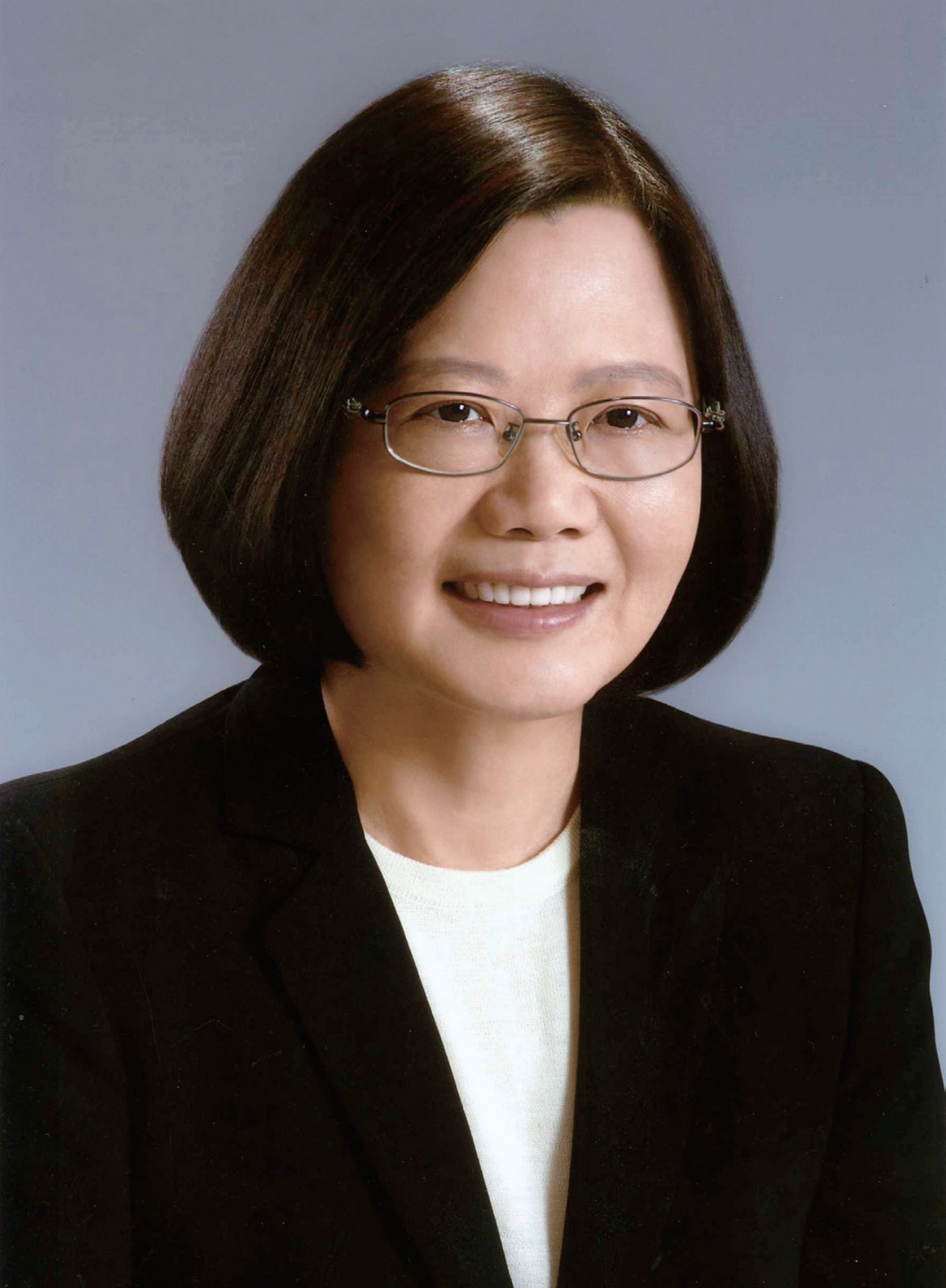
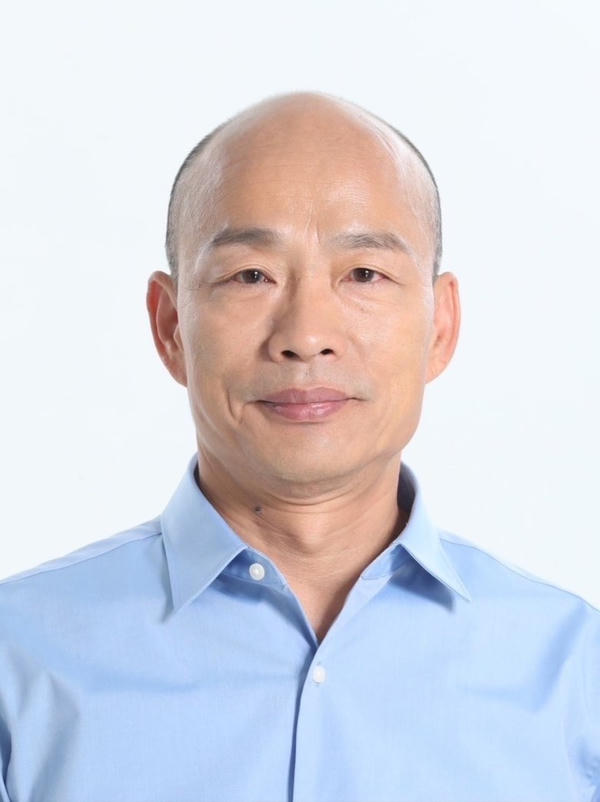
The 2020 Taiwan presidential election was the most consequential in Taiwan's recent history, and the two figures at its center — Tsai Ing-wen and Han Kuo-yu — represent two profoundly different visions of how Taiwan should navigate its relationship with Beijing, its economy, and its democracy. Tsai represented the cautious technocratic DPP defense of de facto sovereignty. Han represented a populist KMT campaign that, fairly or not, was widely read as warmer toward cross-strait engagement.
Tsai won the 2020 race by more than 18 percentage points — at the time, the largest margin in Taiwan's direct-election era. Han was subsequently recalled from his post as Kaohsiung mayor. He later re-emerged as Speaker of the Legislative Yuan after the 2024 elections gave the KMT and TPP a combined majority. JudgeMarket prices both continuously, and the spread between them is a clean signal of how the world is currently reading Taiwan's two-party politics.
Similarities
Despite the sharp partisan divide, Tsai and Han share more than the framing of 2020 suggested. Both are career politicians who came up through their respective parties' institutional structures. Both are skilled retail politicians, although in radically different registers. Both ultimately accept Taiwan's constitutional framework — neither has ever formally proposed altering the Republic of China constitution or formally declaring independence.
Both also benefited from and were constrained by the same set of structural realities: Taiwan's diplomatic isolation, its economic dependence on cross-strait and global supply chains, the US security guarantee, and an electorate that consistently rejects both formal independence and unification. The 2020 election was framed as existential, but the actual policy space available to either winner was narrower than the campaign rhetoric implied.
Key Differences
The differences are real and consequential. Tsai Ing-wen is a Cornell- and LSE-trained lawyer, former trade negotiator, and former chair of the Mainland Affairs Council. Her style is technocratic, cautious, and deliberately understated. Her foreign policy was anchored in deepening the US security relationship and growing Taiwan's economic centrality through TSMC and the broader semiconductor cluster.
Han Kuo-yu is a populist political brand. His 2018 mayoral campaign in Kaohsiung — a long-time DPP stronghold — was one of the most surprising electoral results in Taiwan's history, fueled by economic discontent, social media, and a deliberately plain-spoken everyman persona. The "Han wave" (韓流) phenomenon briefly looked like the start of a major political realignment. His 2020 presidential campaign, however, foundered on questions about his actual policy depth, his cross-strait positioning (he had met with PRC officials including the Liaison Office in Hong Kong), and the Hong Kong protests of 2019 which dramatically shifted Taiwanese opinion on PRC trustworthiness.
On cross-strait policy, the divide is the central one. Tsai's two terms hardened Taiwan's de facto sovereignty position, expanded defense procurement, and significantly grew defense spending. Han's positioning was widely read as preferring closer cross-strait economic engagement and de-escalation, although his actual stated positions on sovereignty were not as different from the KMT mainstream as critics charged.
On economic policy, Tsai's tenure prioritized semiconductor capacity, defense, renewables, and a phased nuclear exit. Han's signature mayoral pitch was economic revival of Kaohsiung — "make Kaohsiung rich" (高雄發大財) — focused on tourism, agricultural exports (notably to mainland China), and infrastructure. The political reality is that mayoral and presidential economic agendas operate at very different scales.
After 2020, the two figures' trajectories diverged sharply. Tsai served out her second term and handed power to Lai Ching-te. Han was recalled as Kaohsiung mayor in mid-2020 — a remarkable political reversal. He then re-emerged in 2024 as Speaker of the Legislative Yuan when the KMT and TPP combined to elect him to the position, giving him substantial influence over the agenda facing the new Lai administration.
The Reputation Trade
On JudgeMarket, Tsai Ing-wen trades as a largely closed presidential legacy. Her price reflects the long-run consensus that she was one of the most consequential Taiwanese leaders of the post-democratization era, qualified by structural issues — energy, housing, defense readiness — that her party left for her successor.
Han Kuo-yu trades much more on live news. His 2024 elevation to Speaker put him back in the center of Taiwan politics, where his procedural decisions on KMT-TPP legislative priorities, his handling of confrontations between the legislature and the Lai administration, and his political brand all move his price.
Who buys Tsai? Those who think her two-term record will age well — particularly the semiconductor and defense buildup, the COVID management, and the smooth democratic succession. Who sells Tsai? Those who think the structural problems she left behind (energy mix, housing, legislative weakness for the DPP) will weigh more heavily than the headline accomplishments.
Who buys Han? Those who think the KMT-TPP cooperation will define the policy landscape for the rest of the decade and that Han's role as Speaker gives him outsized influence on what gets passed. Who sells Han? Those who think his political brand is too polarizing to translate beyond the Speaker's role, and that the 2020 recall remains a fundamental ceiling on his political future.
Verdict
JudgeMarket does not pick a winner between a former president and a current Speaker — they are not running against each other and they no longer occupy the same political slot. The market surfaces both prices, and traders weigh them on their own.
The case for upside on Tsai: she is exactly the kind of figure whose record is likely to look better the further it recedes. Her two terms coincided with semiconductor primacy, successful COVID management, and a peaceful, contested democratic process.
The case for upside on Han: his political career has been written off twice and survived both times. As Speaker, he holds real institutional power, and if the KMT-TPP cooperation produces durable policy outcomes — or if it ends in spectacular failure — his price will move in either direction.
Take your position on both at JudgeMarket.