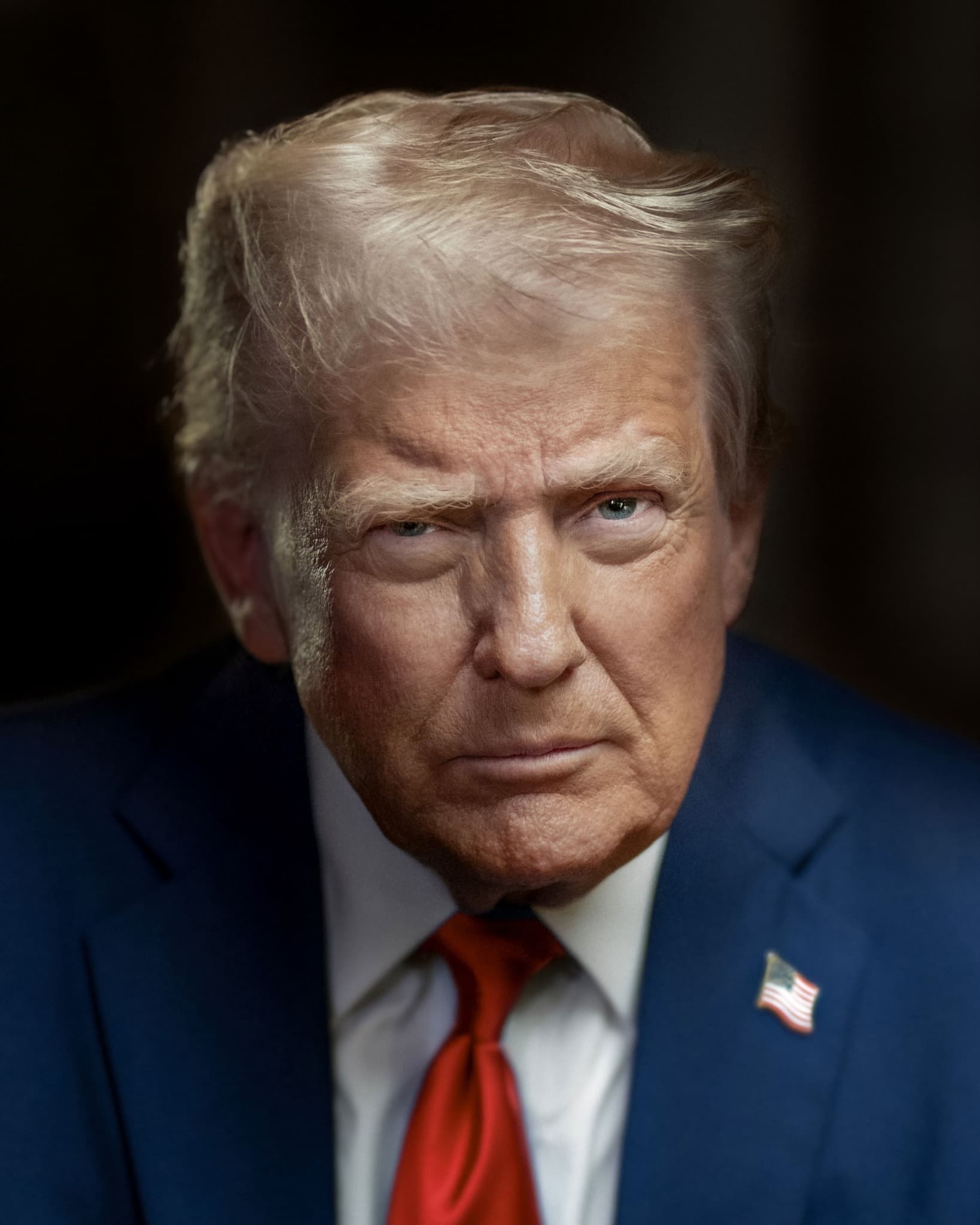
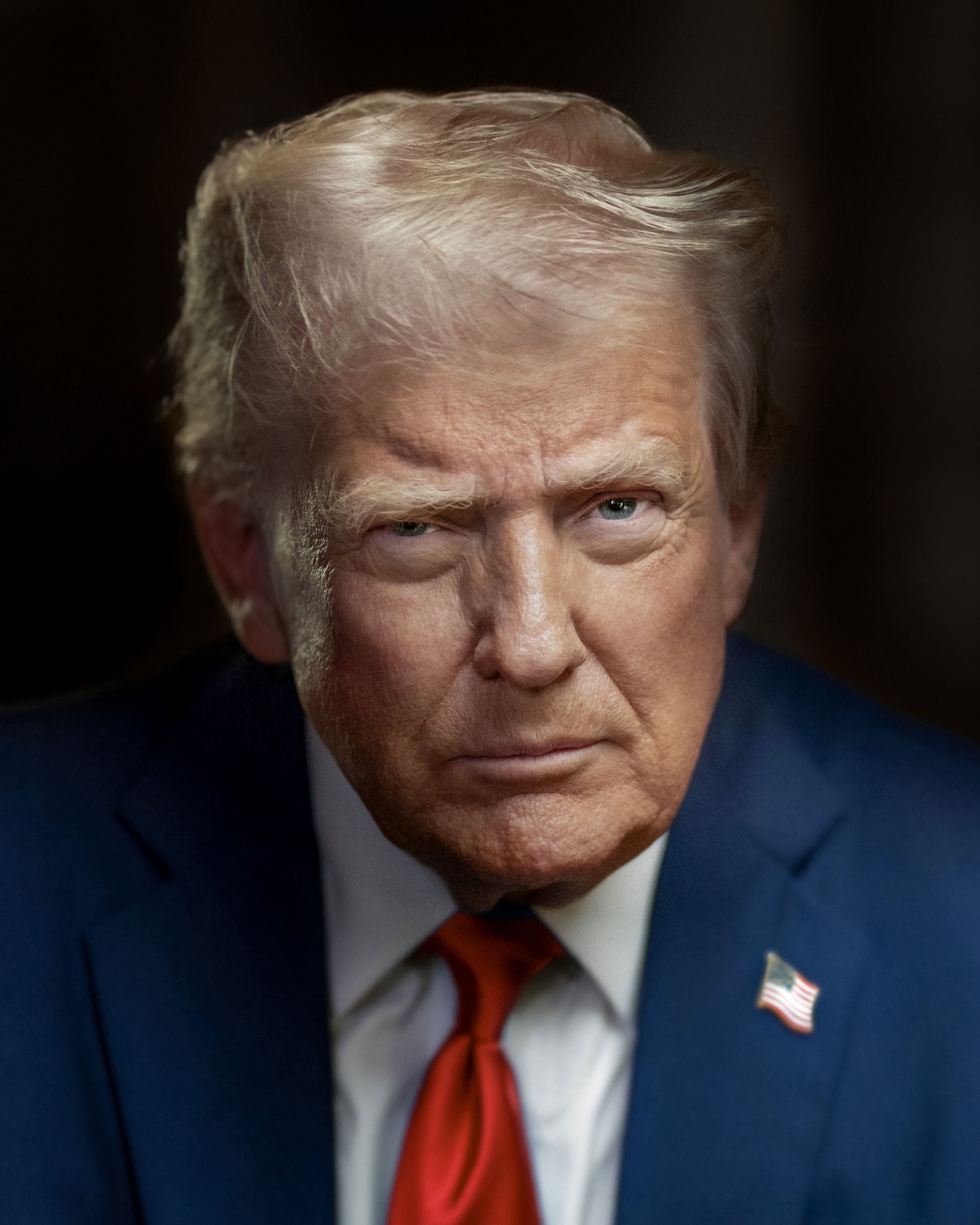
 Donald Trump abruptly ended his Meet the Press interview with NBC's Kristen Welker on Friday after she pressed him on his unfounded claim that the California gubernatorial primary was "rigged," telling her "I've had enough" and walking out, The Hill reported. The walkout came after repeated challenges from Welker on several points during the wide-ranging Wisconsin-recorded interview that aired Sunday, the BBC reported. Welker had specifically pressed Trump on his allegations that both the current California race and the 2020 presidential race were "rigged," the Guardian reported.
What did Welker actually ask? Welker questioned Trump's allegations that the California gubernatorial primary was "rigged" and pressed him on his unfounded 2020 election-rigging claim, the Guardian reported. The follow-up pressure on factually-contested election-administration claims is what triggered the walkout.
How did Trump respond? "I've had enough," Trump told Welker before exiting the interview, The Hill reported. The line landed as a hard close after repeated challenges on the same election-claim line of questioning.
What else did the interview cover? Trump discussed Iran negotiations, the California primary, the anti-weaponisation fund and several other topics across the wide-ranging Wisconsin segment, The Hill reported in its takeaways summary. The substantive content of the interview before the walkout included the "I'd pay the kind of money they deserve" anti-weaponisation fund defence and the "no" on Iranian asset unfreezing.
Why is the walkout significant? A sitting US president cutting a Sunday-show interview short on a hostile-question line is the kind of broadcast moment that becomes its own news cycle, the BBC reported. The episode joins the Sunday-show genre's running history of walkouts that political reporters treat as evidence of pressure-response rather than as routine media management.
How does this fit the broader interview-pattern? Trump has historically used long-form interview formats with hostile questioners as a deliberate stress-test stage, the BBC reported, with the walkout the rarer outcome of that pattern rather than the typical resolution. The Welker session had been billed in advance as wide-ranging rather than as a confrontational sit-down.
What survives the walkout? The substantive on-the-record commitments from earlier in the interview — including the anti-weaponisation fund defence, the Iran assets line and the California "rigged" claims themselves — remain in the public record. The walkout closes the interview without retracting the underlying statements that drove it.
Figures referenced: Donald Trump. — JudgeMarket.