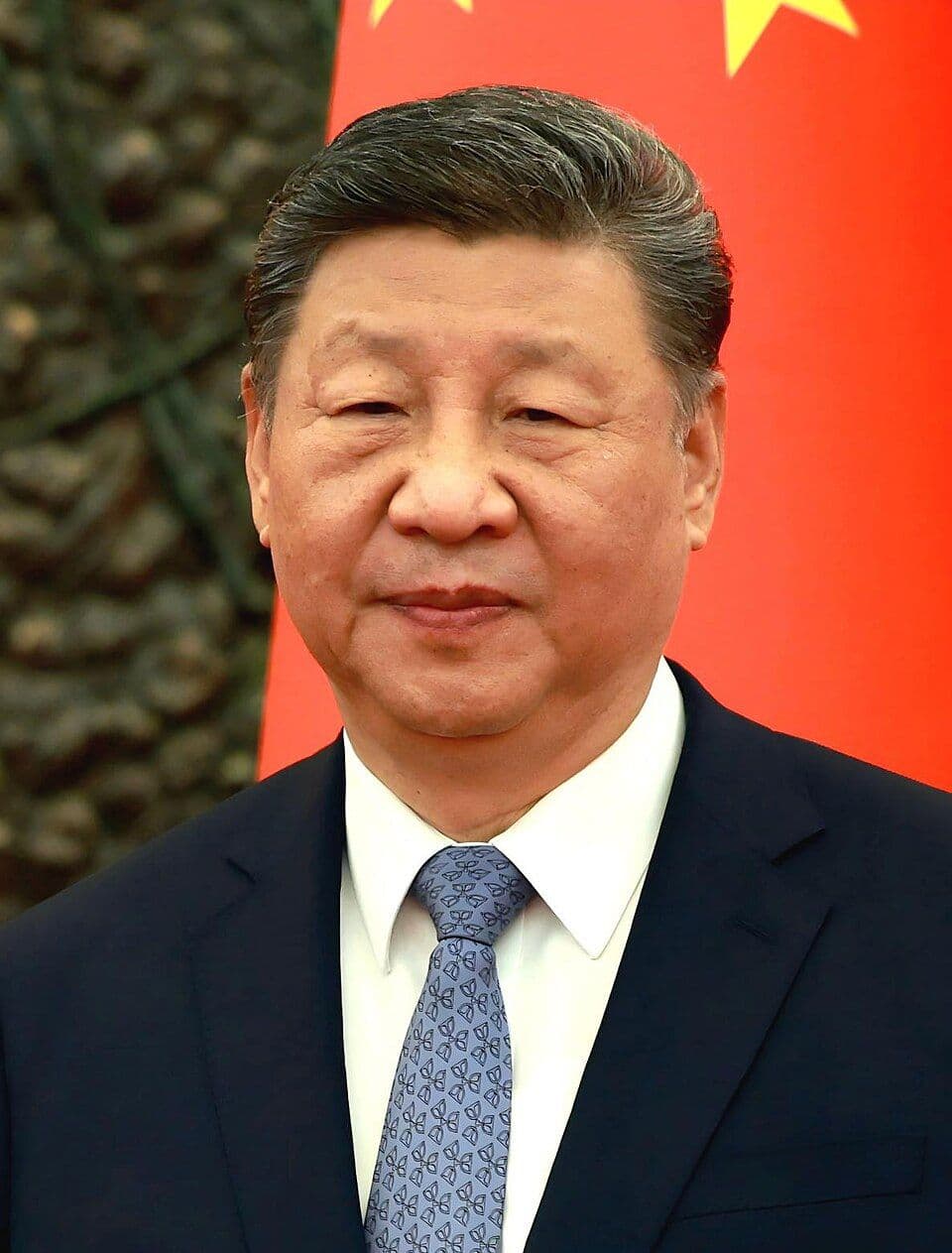
Kim Yo Jong, Kim Jong Un's sister, publicly reaffirmed that North Korea's nuclear program is "absolutely nonnegotiable" on the eve of 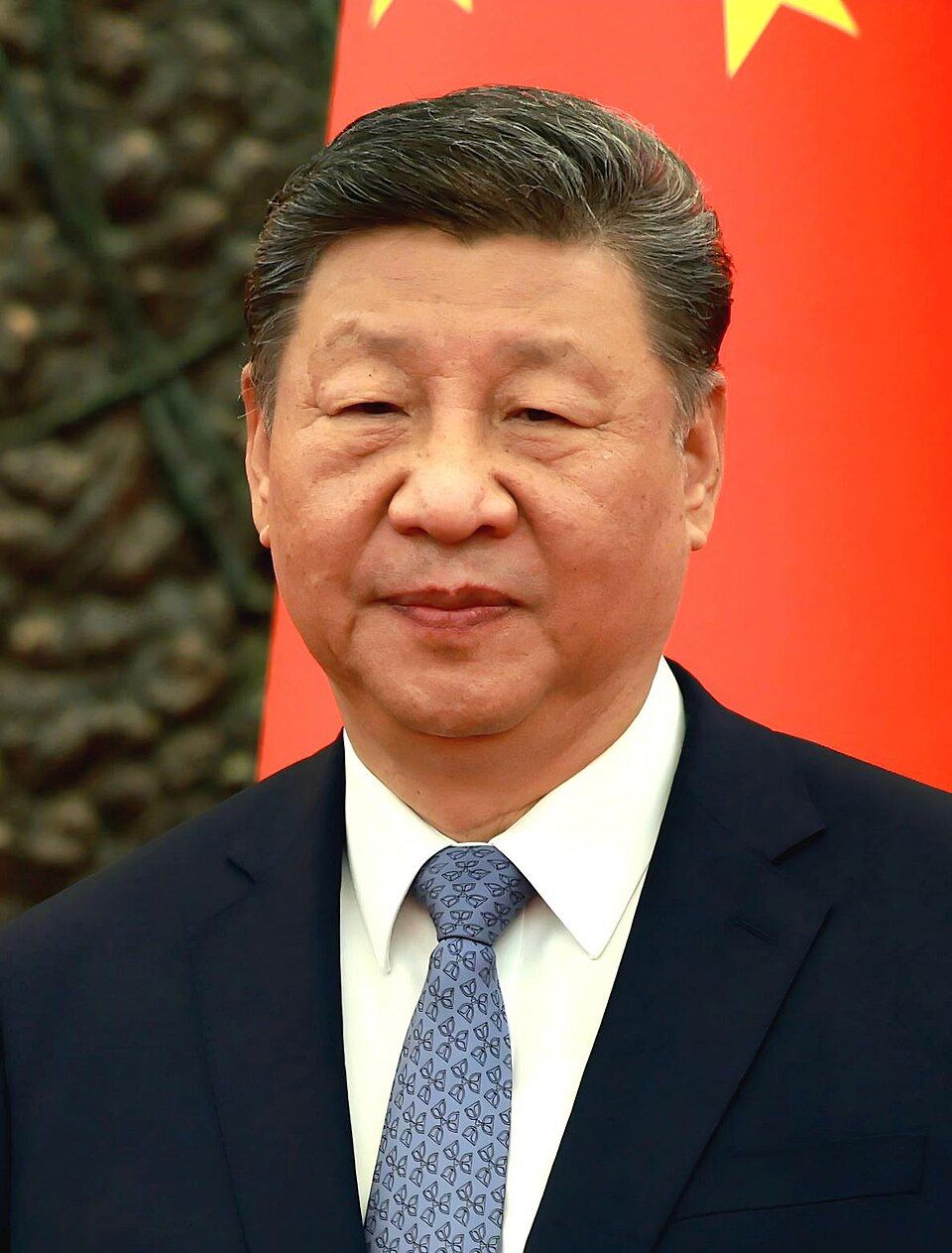 Xi Jinping's June 8 state visit to Pyongyang. The reaffirmation hardens Pyongyang's pre-meeting posture on the file most likely to come up in any Xi-Kim conversation about strategic alignment, Deutsche Welle reported. Al Jazeera's analysis frame placed the trip in the broader context of significant North Korean military developments, including the freshly unveiled facility to produce nuclear fuel.
Why the eve-of-trip statement? Kim Yo Jong's "nonnegotiable" framing sets the bargaining-space ceiling before the bilateral conversation begins, Deutsche Welle reported. The pre-summit declaration is consistent with North Korea's broader pattern of locking in red lines through public statements before high-level meetings rather than negotiating them at the table.
What is Xi walking into? Xi is making his first trip to Pyongyang in seven years amid significant military developments, Al Jazeera reported, against a backdrop where the nuclear file is now publicly off the negotiating table. The summit becomes about strategic alignment, trade flows and information-sharing rather than any meaningful denuclearisation pressure Beijing might have signalled to international audiences.
Why does the timing matter for Beijing? Xi is making the year's first overseas trip after hosting a series of foreign leaders in Beijing, the Hong Kong Free Press reported, with the choice positioning the DPRK as the symbolic close of the China-Russia-DPRK triangle. The visit gives Beijing a state-visit photo opportunity with Kim that ties the three Eurasian-bloc leaders together without committing China to specific operational alignment.
How does this read in Washington and Seoul? A "nonnegotiable" North Korea hosting Xi during a US-Iran war and a freshly-installed Lee Jae Myung administration in Seoul gives both capitals a hardened Northeast Asia map to work with, Al Jazeera reported. South Korean officials have publicly expressed hope the trip plays a "constructive role" on the Korean peninsula, with no Trump-Kim reciprocal engagement surfaced in the same news cycle.
What survives the visit? The China-DPRK state-visit cadence resumes after a seven-year break, the Hong Kong Free Press reported, regardless of which specific operational items come out of the bilateral talks. Whether Xi's photo with Kim under the "nonnegotiable" backdrop translates into measurable shifts in DPRK posture toward Seoul or Tokyo is the open question for the post-summit reading.
Figures referenced: Xi Jinping. — JudgeMarket.