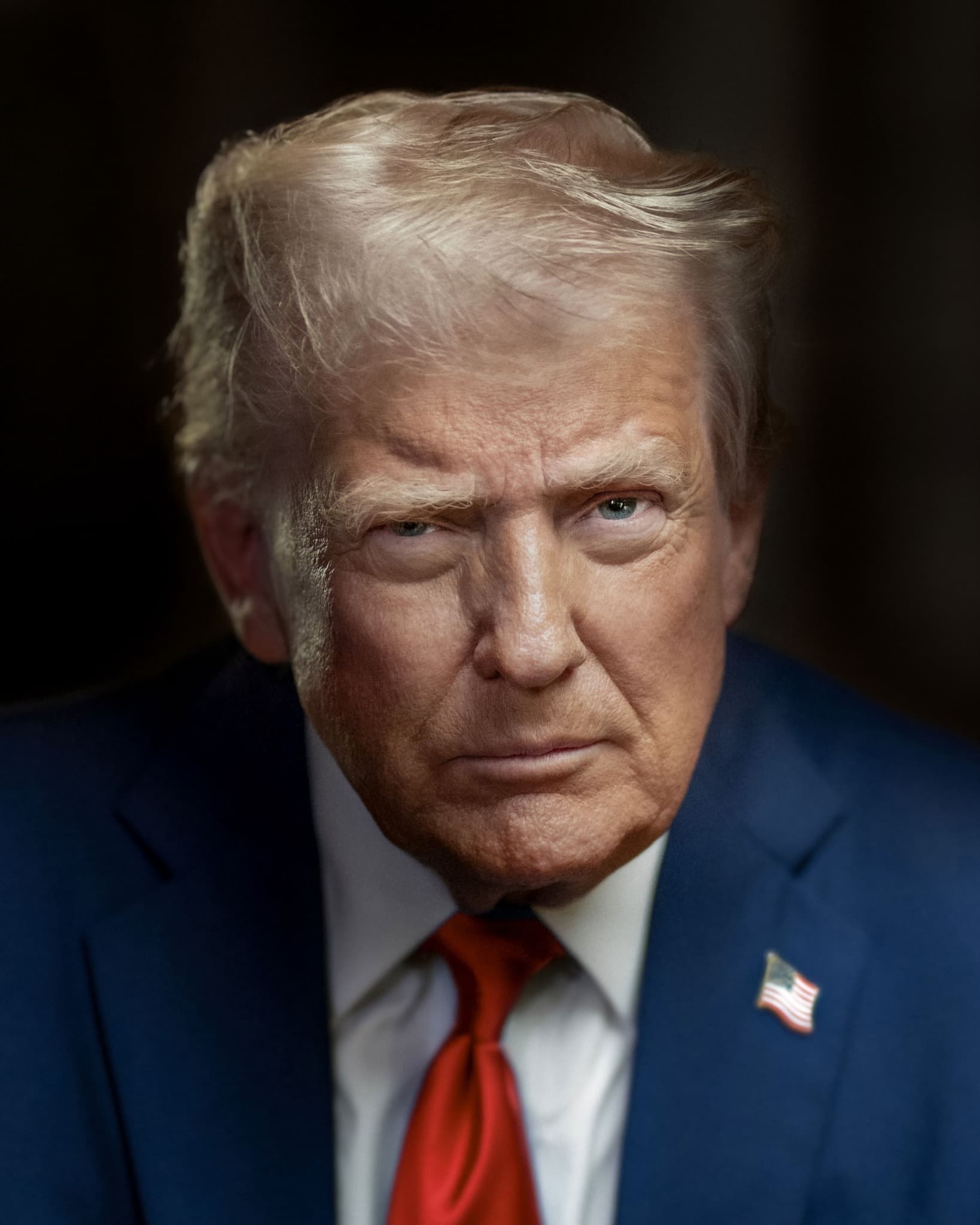
US Central Command struck Iranian air defence, ground control and surveillance radar sites near the Strait of Hormuz on Tuesday in a "proportional response" to the downing of an American Apache helicopter the previous day. President 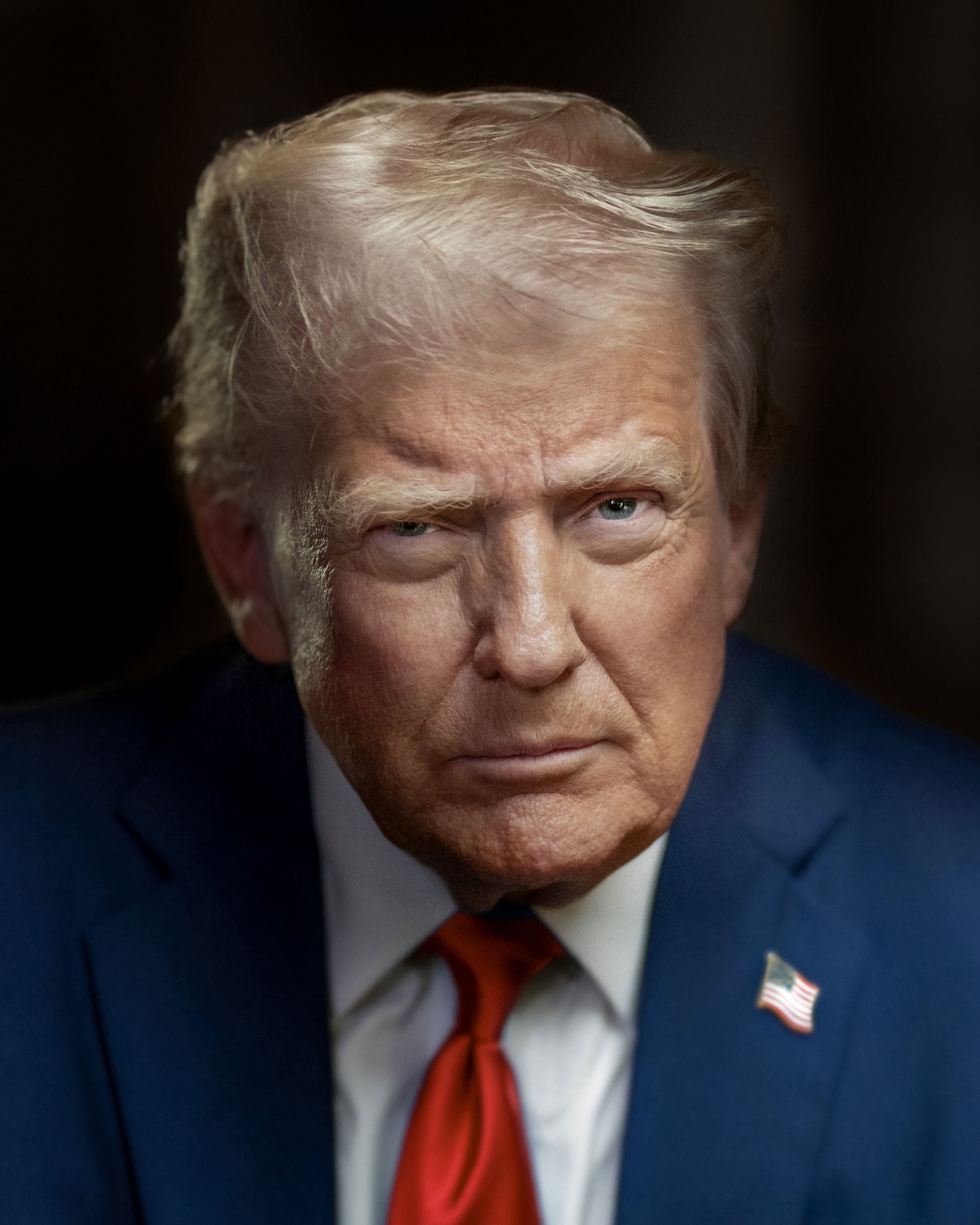 Donald Trump had earlier accused Iran of shooting down the helicopter and vowed to respond. Iran's Islamic Revolutionary Guard Corps then launched strikes on 21 targets at US bases in Bahrain and Jordan, while Kuwait's army was also intercepting an attack, the BBC reported. Centcom called the mission "completed" just over three hours after announcing the initial wave.
What did the US actually hit? US fighter jets struck Iranian air defence, ground control stations and surveillance radar sites near the Strait of Hormuz. Iran's IRGC said the strikes damaged a telecommunications tower and two water tanks, and that the cities of Jask and Sirik plus Qeshm island had been targeted. The target set reads as a calibrated infrastructure-degradation package rather than a leadership-strike posture.
How did the helicopter get downed? US officials say Iran used a drone to launch the attack on the Apache, but it is not yet clear whether the Iranian drone had deliberately attacked, an unnamed US official told CBS News in the BBC's coverage. Iran has not publicly taken responsibility, leaving an ambiguity over intent that the administration nevertheless treated as actionable.
What about the rescue? Two crew members from the helicopter were rescued by an American sea drone — the first such use the US military has made public. The live-crew rescue removed any "loss-of-life retaliation" pressure on the response calibration.
Where does the Vance peace-deal claim sit? Hours before the strikes, Vice-president JD Vance told CBS the US was "very close to achieving" a peace deal with Iran and that it could "absolutely" come before the midterm elections, the Guardian reported. The pre-strike "peace deal" messaging running alongside live retaliation points to either an actively-negotiated off-ramp or a White House posture juggling two contradictory tracks.
What's the market read? Asian stocks slid Wednesday while oil prices climbed about 1%, with the South Korean KOSPI down 2%, Japan's Nikkei off 0.9% and Brent rising to US$92.29, per Channel News Asia. The measured rather than panic move suggests markets are pricing a contained kinetic exchange, not a sustained supply shock.
Figures referenced: Donald Trump. — JudgeMarket.