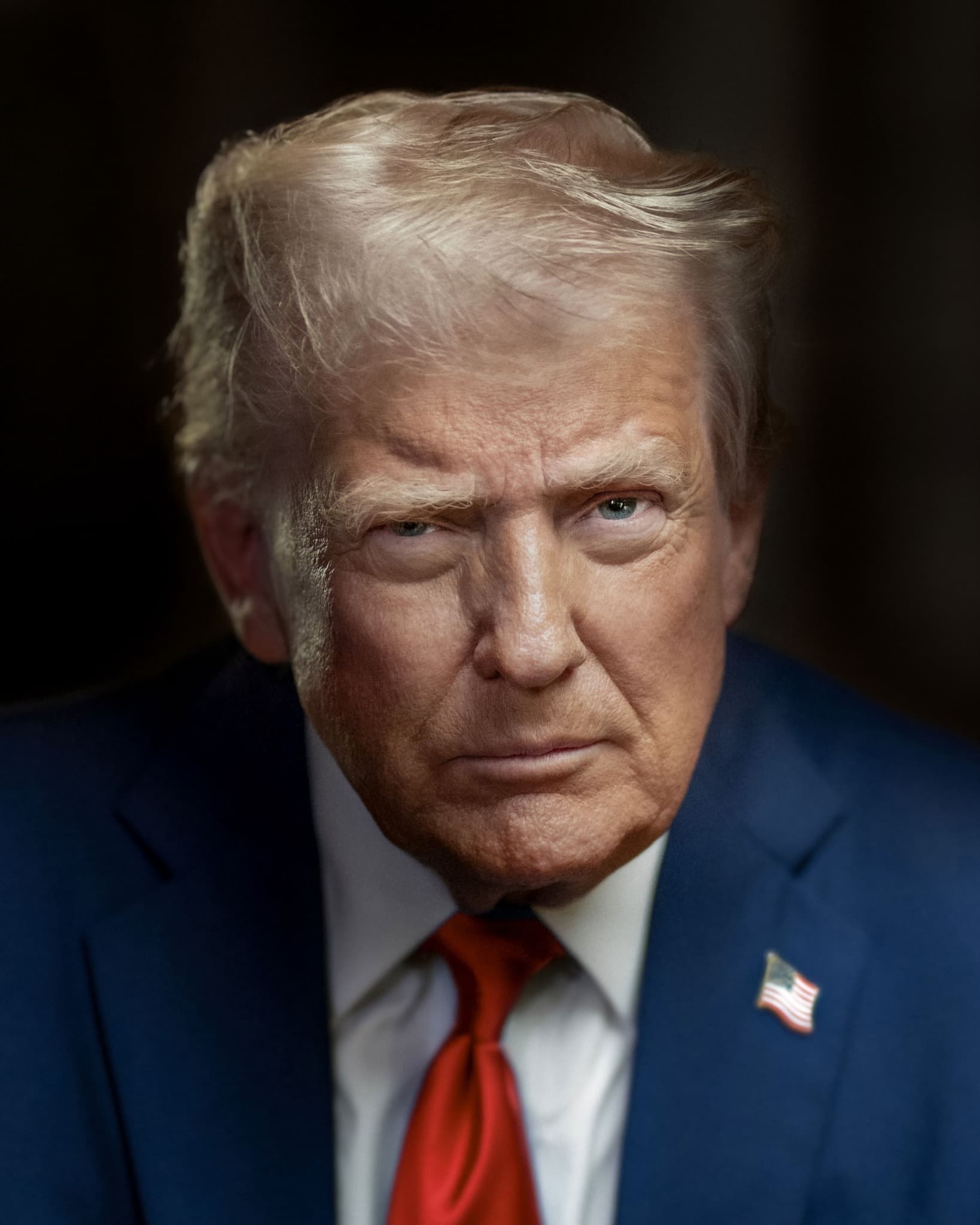
 Donald Trump ruled out releasing frozen Iranian assets ahead of a ceasefire deal, telling NBC's "Meet the Press" "no" when asked whether the funds could be released as a trust-building step. Iranian officials had publicly said unfreezing would be a key trust-building move toward a lasting agreement, Al Jazeera reported. Trump's line draws a hard "after a peace deal" sequence — not before, not during — per The Hill's read of the interview.
What exactly did Trump say? "No," Trump said when anchor Kristen Welker asked whether the US would unfreeze Iranian assets to build trust, The Hill reported. The one-word answer leaves no ambiguity on the sequencing: deal first, asset release second.
What had Tehran been signalling? Iranian officials had publicly framed an asset release as a trust-building gesture necessary to reach a lasting deal ending the war, Al Jazeera reported. The Tehran framing treats the funds as confidence-building rather than as a concession, putting the unfreezing on a different conceptual track than the final peace-deal package.
Why is this sequencing meaningful? The "after peace deal" line removes asset release as a negotiating chip Tehran can use to lock in pre-deal commitments, The Hill reported. The sequencing keeps maximum US leverage live through the final phase of any negotiation rather than spending it on intermediate trust-building moves.
How does this fit the wider Iran track? Trump has cycled through "deal is within reach," "I don't care if talks are over," and the "boring" framing across the past week, with the asset position now sitting alongside that volatile public posture, Al Jazeera reported. The hard asset line is the most concrete substantive boundary the administration has drawn since Rubio's Tuesday Congress testimony on the surviving nuclear-only track.
What does Tehran do now? No public Iranian response had landed in the same news cycle, with the Tehran-side reaction expected through diplomatic channels rather than via the immediate post-interview wire. The question is whether Iran treats the "after deal" line as a starting offer to be negotiated or as a final answer that closes the asset-release option.
Figures referenced: Donald Trump. — JudgeMarket.