
Sam Bankman-Fried: 15 Frequently Asked Questions
Explore 15 FAQs about Sam Bankman-Fried (SBF) — FTX founder, once worth $26 billion, now serving a 25-year federal prison sentence for one of the largest fraud cases in US history. Trade his reputation on JudgeMarket.
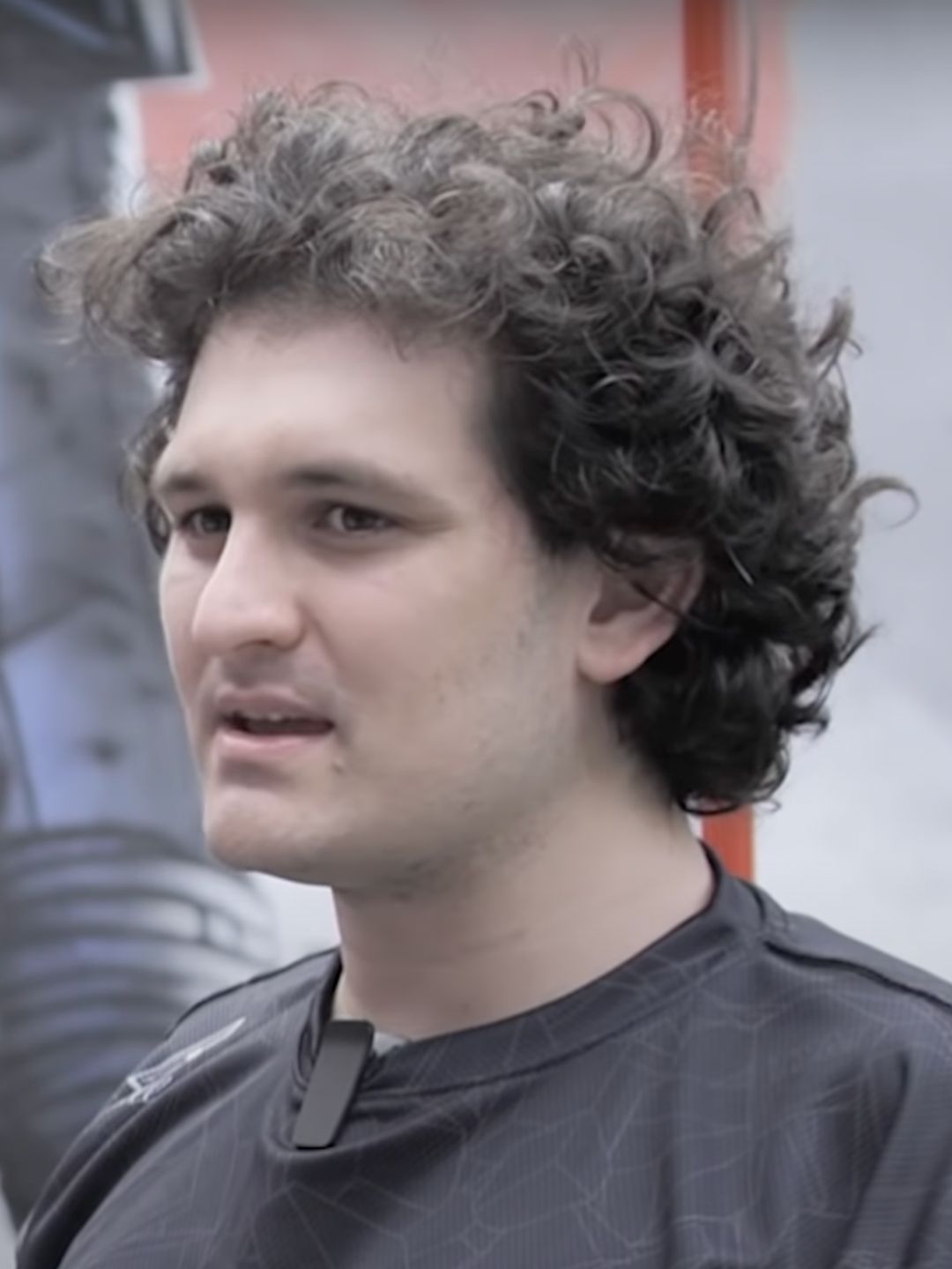
Who is Sam Bankman-Fried and why is he famous?
Sam Bankman-Fried, universally known as SBF (born 1992 in Stanford, California, to two Stanford law professors), is the disgraced founder of FTX, once the second-largest cryptocurrency exchange in the world, and of Alameda Research, a major crypto trading firm. After graduating from MIT in physics, he worked at quantitative trading firm Jane Street, then founded Alameda in 2017 and FTX in 2019. He briefly held a net worth estimated at $26 billion and was among the most politically connected crypto executives, donating extensively to US political campaigns and meeting with senior policymakers. In November 2022, FTX collapsed in a matter of days after Changpeng Zhao of Binance announced he would liquidate Binance's FTT holdings, exposing that customer deposits at FTX had been transferred to Alameda. SBF was arrested in the Bahamas in December 2022, extradited to the US, convicted of seven counts of fraud and conspiracy in November 2023, and sentenced in March 2024 to 25 years in federal prison.
What was Sam Bankman-Fried's role in crypto?
Before the collapse, SBF positioned himself as both a major exchange operator and the public face of "responsible" crypto. FTX grew rapidly from its 2019 founding into a top-tier derivatives and spot venue, particularly popular with sophisticated traders due to its product design. Alameda Research was one of the largest crypto market-makers and proprietary trading firms. SBF cultivated relationships with policymakers, testified before Congress, and advocated for crypto regulatory frameworks — including, controversially, ones that competitors viewed as designed to constrain decentralized finance while protecting centralized exchanges like FTX. He bought naming rights to the Miami Heat arena, sponsored MLB umpires, and ran high-profile celebrity endorsement campaigns. The "effective altruism" framing — that he was earning to give — became a central component of the brand and a major recruiting tool for talent.