
Hu Jintao: 15 Frequently Asked Questions
Explore 15 FAQs about Hu Jintao — CCP General Secretary from 2002 to 2012, leader of China during its rise to global economic prominence and a defining figure of the post-Deng era. Trade his reputation on JudgeMarket.
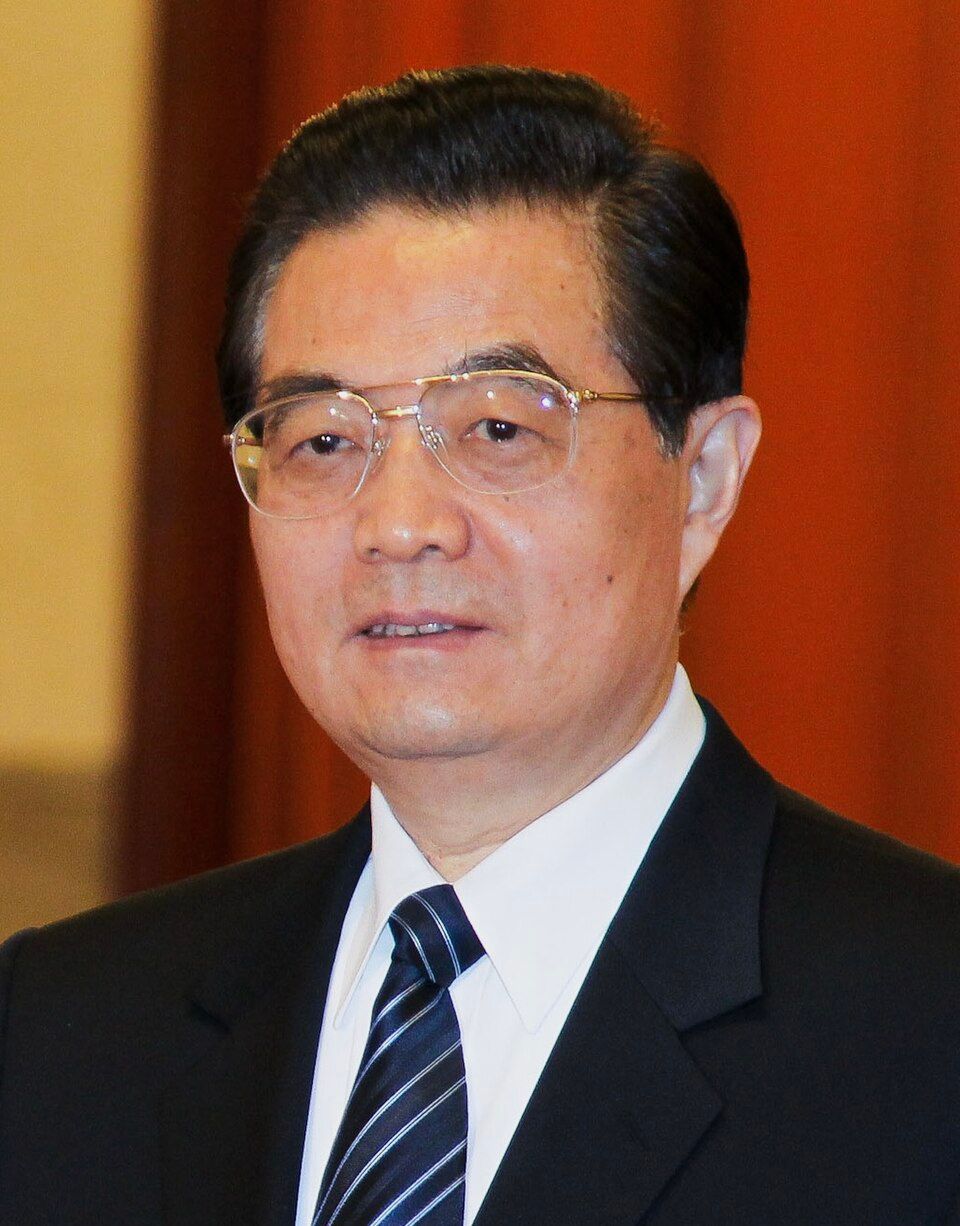
Who is Hu Jintao and why is he famous?
Hu Jintao (born 1942) served as General Secretary of the Chinese Communist Party from 2002 to 2012, President of the People's Republic of China from 2003 to 2013, and Chairman of the Central Military Commission. Trained as a hydraulic engineer at Tsinghua University, he rose through the Communist Youth League and provincial leadership posts in Guizhou and Tibet before being elevated to the Politburo Standing Committee in 1992 — designated by Deng Xiaoping as eventual successor to Jiang Zemin. His decade in office coincided with China's accession to global economic prominence, the 2008 Beijing Olympics, and the WTO-era growth surge. He is generally remembered as a low-key, technocratic, consensus-oriented leader — a sharp contrast with Xi Jinping's subsequent personalist style.
What is Hu Jintao's main political legacy?
Hu's legacy is the institutional consolidation of post-Deng Xiaoping China. He governed under the model of collective leadership, presiding over the nine-member Politburo Standing Committee, and observed the term limits and retirement norms Deng had established. His signature concepts were the "Scientific Outlook on Development" and the "Harmonious Society," both attempting to address growing inequality, environmental degradation, and rural-urban disparities while sustaining growth. China's GDP roughly quadrupled during his tenure, the country became the world's second-largest economy in 2010, and global influence expanded through trade and infrastructure diplomacy. His era is sometimes called China's "lost decade" by Xi Jinping-aligned voices, and sometimes its "golden decade" by reform-era nostalgists.