Introduction
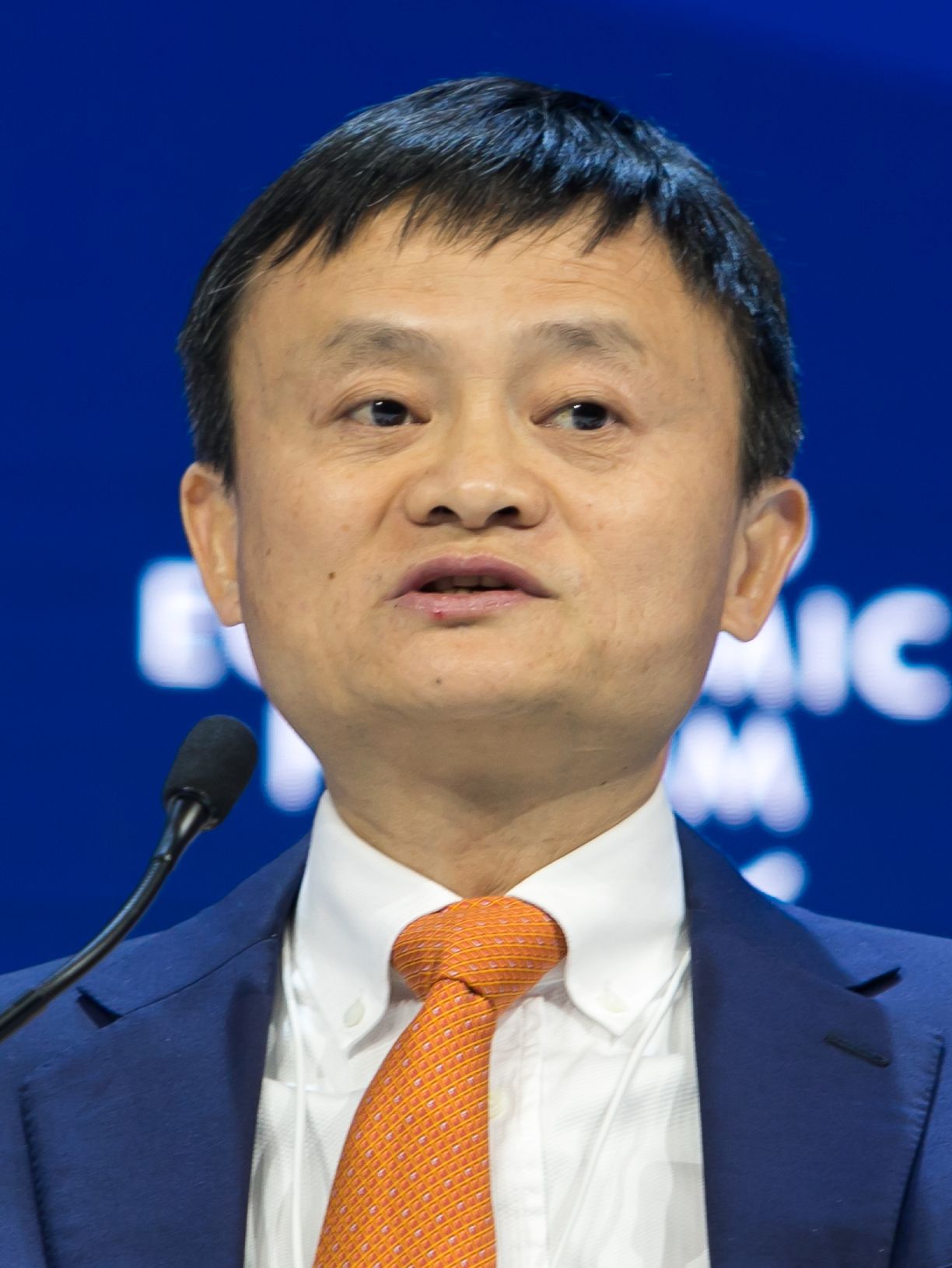
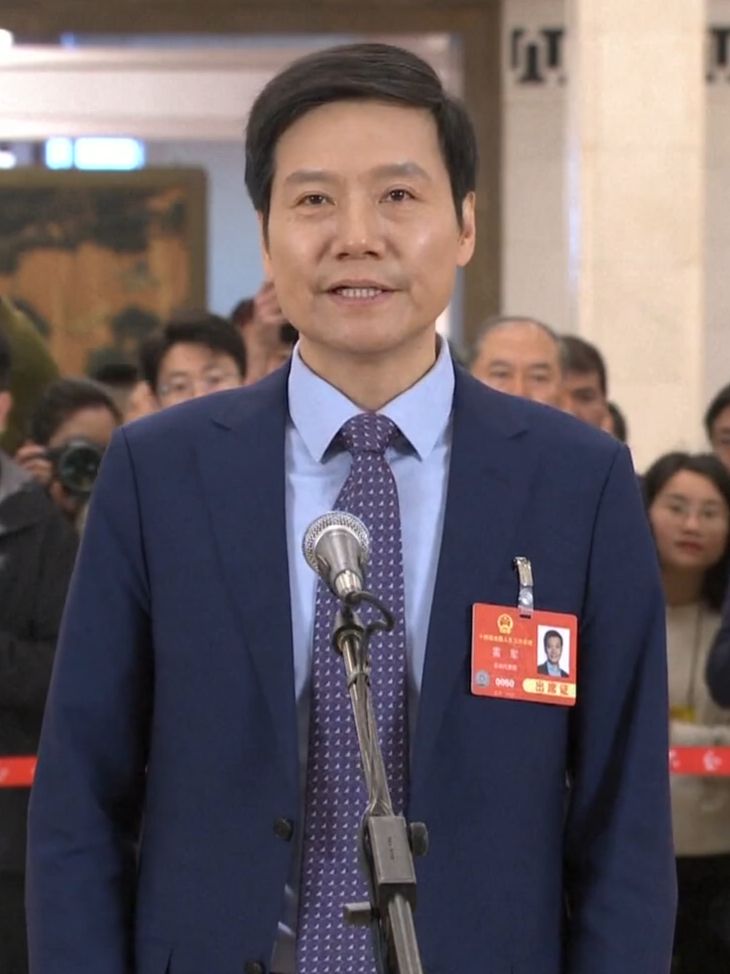
Jack Ma and Lei Jun are two of the most consequential Chinese tech founders of the past quarter-century, and the comparison between them is unusually clean because they represent two very different bets on what kind of company can win in the Chinese — and global — market. Ma's Alibaba was an e-commerce and payments platform play; Lei's Xiaomi has been a hardware and ecosystem play. Ma's public role has been compressed since 2020; Lei's has been steadily expanding, particularly after Xiaomi's pivot into electric vehicles with the SU7 launch in 2024.
JudgeMarket prices both continuously, and the spread between them is one of the most interesting signals on the platform about how the world is currently reading the next chapter of Chinese tech founder leadership.
Similarities
Both Ma and Lei are founders who built category-leading Chinese tech companies in the post-WTO-accession era. Both navigated the rise of the Chinese consumer internet, the smartphone revolution, and the maturation of Chinese supply chains and capital markets. Both are public figures who built personal brands inseparable from their companies, and both have been hugely influential on a generation of younger Chinese entrepreneurs.
Both also built platforms that ultimately depended on integrating multiple layers of the consumer experience. Alibaba's strength has always been the combination of marketplace (Taobao, Tmall), payments (Alipay, later Ant), logistics (Cainiao), cloud (Aliyun), and content (Youku). Xiaomi's strength has been the combination of smartphones, IoT devices, an integrated software experience, a fan community, and increasingly EVs.
Both have benefited from and contributed to the rise of Chinese consumer brands as serious global competitors. Both companies are now operating across multiple international markets, although Xiaomi's global footprint in handsets has been larger and more visible than Alibaba's outside the Chinese-speaking world.
Key Differences
The business models are structurally different. Ma's Alibaba is, at heart, a marketplace and payments platform — its core economics come from facilitating transactions between third parties and from financial services around those transactions. Lei's Xiaomi is, at heart, a hardware OEM with margin compressed by Chinese supply-chain competition, monetized through ecosystem cross-sell (IoT devices, services, and increasingly vehicles).
Their relationships with the state have also moved in opposite directions over the past five years. Ma's October 2020 Bund Finance Summit speech, which criticized Chinese financial regulators, was followed within days by the suspension of the planned $34B Ant Group IPO, the launch of the broader "tech crackdown" of 2020–2022, and his withdrawal from public life. He has re-emerged occasionally since 2023 but at a much smaller scale.
Lei Jun's trajectory has been the inverse. Xiaomi has been a beneficiary of the post-2022 official rehabilitation of private capital in China, with Lei increasingly positioned as a model entrepreneur — particularly after the high-profile launch of the Xiaomi SU7 electric sedan in 2024, which is seen in Beijing as a successful pivot of Chinese consumer tech into the strategically critical EV category.
Their personal styles also differ. Ma is the more theatrical of the two — a former English teacher, comfortable on the keynote stage in English, and historically one of the most quotable founders in the Chinese internet era. Lei is more reserved publicly, more product-focused in his presentations, and more visibly hands-on in the engineering details (the Xiaomi SU7 launch, in which Lei drove the car onto the stage, became a much-discussed model of founder-led product marketing in China).
The current cycles of their companies are also different. Alibaba is in the middle of a multi-year restructuring, with multiple business units split into separate operating groups and the company's public profile reduced. Xiaomi is in an aggressive expansion phase, with the EV business now contributing meaningfully to the narrative and the smartphone business holding global top-five share.
The Reputation Trade
On JudgeMarket, Jack Ma trades as a founder whose public role was compressed by the state and whose rehabilitation is partial and incremental. His price moves on rare public appearances, on Alibaba results, on regulatory signals from Beijing, and on broader US-China tech tensions.
Lei Jun trades as one of the most actively-followed Chinese founders on the platform, particularly since the SU7 launch. His price moves on Xiaomi quarterly results, on EV delivery numbers, on smartphone share data, on his public communications, and on broader signals about the Chinese government's posture toward private tech.
Who buys Ma? Those who think long-run civilizational founder reputations are durable and that Alibaba's recovery will be reflected in his historical reputation. Who sells Ma? Those who think the structural ceiling on his public role is permanent.
Who buys Lei? Those who think the Xiaomi EV bet will pay off, that the integrated hardware ecosystem is the right architecture for the AI-and-IoT era, and that the political tailwinds for Chinese consumer hardware will hold. Who sells Lei? Those who think the EV market is brutally competitive — [BYD], NIO, XPeng, Li Auto, plus the legacy Chinese automakers and Tesla — and that hardware margins will compress regardless of how good the products are.
Verdict
JudgeMarket does not pick a winner between two founders operating in different parts of the Chinese tech stack. The market surfaces both prices.
The case for upside on Ma: mean-reversion if the Chinese state's posture toward private tech founders continues to soften. Ma is one of the few founders whose name carries enough public weight that a meaningful public return would itself be a major reputational event.
The case for upside on Lei: execution. If the Xiaomi EV business scales successfully and the smartphone business holds, Lei is positioned to be one of the most consequential Chinese founders of the 2020s. The downside is structural EV competition and the same regulatory environment that compressed Ma.
Take your position on both at JudgeMarket.