Introduction
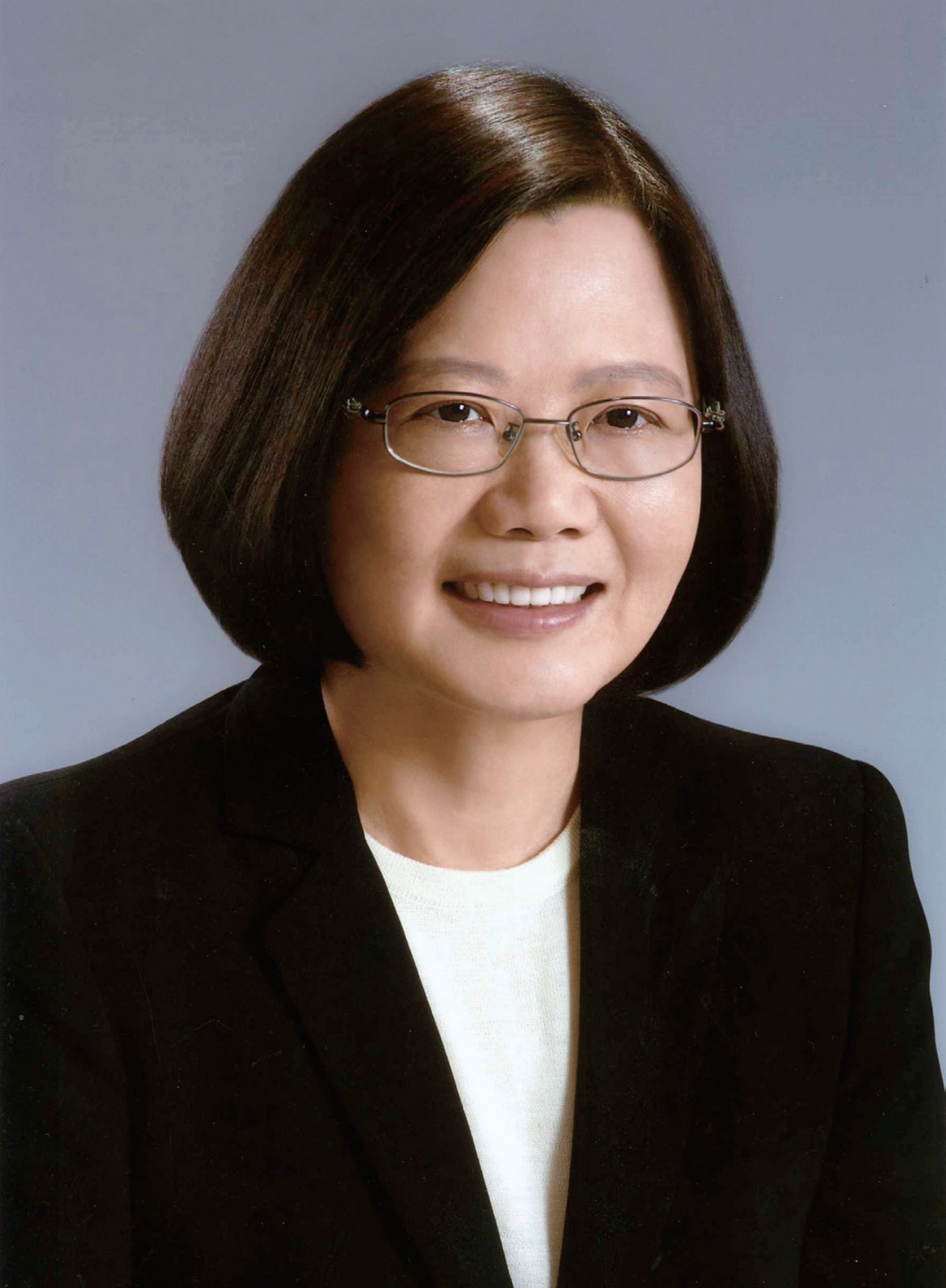
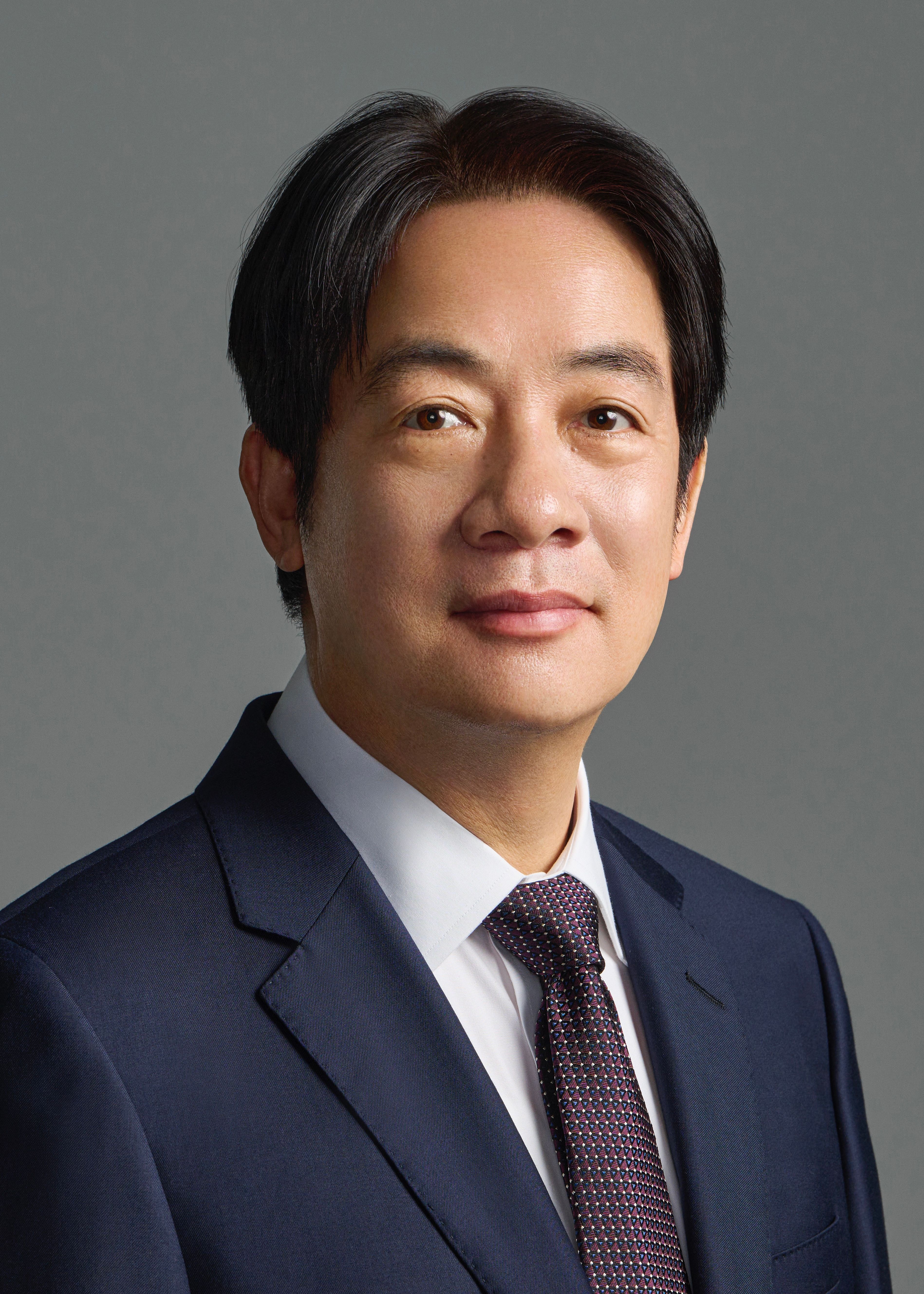
Tsai Ing-wen and Lai Ching-te are the two consecutive DPP presidents who have governed Taiwan through the most pressurized period in its modern relationship with Beijing. Tsai served two full terms from 2016 to 2024 and handed the presidency to her vice president, Lai, who took office in May 2024. The transition was orderly and within the same party — but the styles, biographies, and political situations of the two are noticeably different.
This is a comparison about continuity and contrast within a single political project: the DPP's defense of Taiwan's de facto sovereignty without formally crossing PRC red lines. JudgeMarket prices both figures continuously, and the spread between them is one of the most telling signals about how the world is reading Taiwan's trajectory.
Similarities
Both Tsai and Lai come from the Democratic Progressive Party, the political vehicle that emerged from Taiwan's democratization movement in the 1980s. Both campaigned and govern on the position that the Republic of China and the People's Republic of China are "not subordinate to each other" — a formulation that defends the status quo without formally declaring independence.
Both have continued the same broad strategic posture: deepening defense cooperation with the United States, expanding asymmetric defense capabilities, growing Taiwan's centrality in the global semiconductor supply chain (especially TSMC), and diversifying trade and political relationships away from over-reliance on the PRC. Both have governed in periods of intensifying PRC military pressure — PLA aircraft and naval crossings of the median line have become routine.
Both also rely heavily on a coalition that includes pro-democracy civil society, tech workers, and younger urban voters, while contesting traditional KMT strongholds in central and southern Taiwan. Both face the same constitutional and institutional constraints, the same diplomatic isolation (Taiwan is recognized by only a small number of countries), and the same need to maintain US security guarantees without provoking unacceptable PRC response.
Key Differences
Style is the clearest contrast. Tsai Ing-wen is a Cornell- and LSE-trained lawyer, trade negotiator, and academic. Her public manner is cautious, technocratic, and deliberately understated. She avoided rhetoric that Beijing could seize on, even while taking actions Beijing strongly opposed. Her two terms are widely credited as a model of strategic patience — defending Taiwan's position firmly but quietly.
Lai Ching-te is a physician by training, a former Tainan mayor and Premier, and politically a product of the DPP's more pro-independence wing. He has famously described himself as a "pragmatic worker for Taiwan independence" — language Tsai never used and that Beijing has explicitly cited as evidence that Lai is a "separatist." Lai's rhetorical defense of Taiwan's sovereignty is more direct than Tsai's, even as his actual policies have largely continued hers.
The political environments also differ. Tsai won her second term in 2020 with a landslide and her party held a legislative majority. Lai won the 2024 election with a plurality, not a majority, and the DPP lost its outright legislative majority — meaning he governs with a fragmented legislature in which the KMT and the Ko Wen-je-founded TPP can frequently combine to block administration priorities.
Beijing's response to each has been correspondingly different. PLA exercises around Taiwan escalated significantly after Lai's inauguration in 2024 and again after his 2025 National Day address. Tsai also faced intensified military pressure — particularly after the 2022 Pelosi visit — but the rhetorical temperature from Beijing on Lai has been notably higher.
Domestically, the two also face different agendas. Tsai presided over same-sex marriage legalization (the first in Asia), major labor-law reforms, and the phase-out of nuclear power. Lai inherited an energy mix that has come under renewed scrutiny, a housing affordability crisis, and the political question of whether to revive the nuclear phase-out timeline.
The Reputation Trade
On JudgeMarket, Tsai Ing-wen trades as a largely closed legacy. Her two terms are over; her price reflects the verdict on a body of work that included managing COVID exceptionally well, growing the semiconductor industry, navigating the Trump-era trade reordering, and handing power smoothly to her vice president. Buyers see one of the most consequential Taiwanese leaders since Lee Teng-hui. Sellers see unresolved structural issues — energy, housing, the long-term cross-strait trajectory — and a DPP that left office with a weakened legislative position.
Lai Ching-te trades on live news flow. Cross-strait incidents, PLA exercises, US arms sales, his speeches, his cabinet's response to legislative gridlock, and his handling of typhoons and economic data all move his price. He is one of the most-watched leaders on the platform precisely because Taiwan is at the center of the most consequential strategic question of the decade.
Who buys Tsai? Those who weight the eight-year record of cautious, effective governance and who think historical distance will be generous. Who sells Tsai? Those who think Taiwan's structural challenges grew under her watch and that the political handover left her party in a weaker position than it should have been.
Who buys Lai? Those who think his more direct sovereignty rhetoric is the appropriate posture for a more dangerous decade, and who think Taiwan's strategic and economic position will continue to strengthen. Who sells Lai? Those who think the elevated rhetoric raises the temperature without changing the underlying balance of power, and who worry about the legislative-paralysis problem.
Verdict
JudgeMarket does not pick a winner between a predecessor and her successor — that would not even be meaningful. What the market does is surface two prices and let traders weight them.
The case for upside on Tsai: consequential predecessors of consequential moments often get re-rated upward in retrospect, especially when their successors face harder conditions. If Taiwan's trajectory deteriorates, Tsai's tenure will likely look retrospectively more impressive, not less. If it improves, much of the credit will still flow to the foundations she laid.
The case for upside on Lai: his presidency is unwritten, and unwritten legacies have wider variance. If he successfully navigates the next several years of PRC pressure, secures the US security relationship across administration changes, and demonstrates that the DPP can govern effectively from a minority position, his price has substantial room to move.
Take your position on both at JudgeMarket.